
Home / 12 Symptoms of Common Pet Illnesses You Shouldn’t Ignore
Symptoms of Common Pet Illnesses You Shouldn’t Ignore Key Takeaways
Recognizing symptoms of common pet illnesses you shouldn’t ignore can mean the difference between a quick recovery and a serious emergency.
Table of Contents
Why Recognizing Symptoms of Common Pet Illnesses You Shouldn’t Ignore Matters
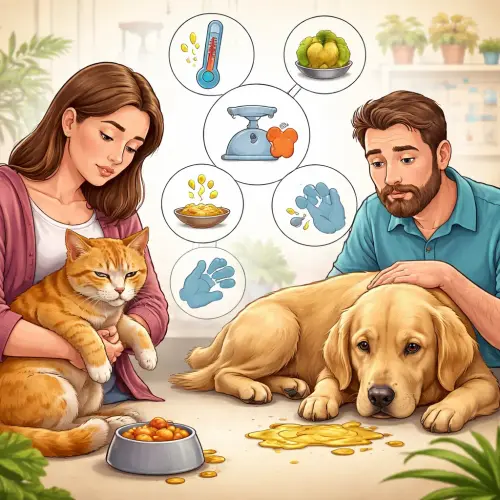
Pets cannot tell us when they feel sick or uncomfortable, which is why recognizing Pet Illnesses You Shouldn’t Ignore is one of the most important responsibilities of any pet owner. Dogs and cats naturally hide pain and weakness, meaning symptoms are often subtle until a condition becomes serious. Learning how to tell if my pet is sick before symptoms worsen can help prevent emergencies and improve treatment outcomes linked to Pet Illnesses You Shouldn’t Ignore.
Understanding the warning signs of Pet Illnesses You Shouldn’t Ignore allows owners to act quickly when behavior, appetite, breathing, or energy levels suddenly change. Whether you care for a playful puppy, an indoor cat, or a senior pet, early recognition of Pet Illnesses You Shouldn’t Ignore can make a major difference in recovery and long-term health.
How This Article Helps You
This guide explains 12 important warning signs connected to Pet Illnesses You Shouldn’t Ignore using real-life symptoms pet owners can easily recognize at home. Each section helps answer common concerns such as:
- Is this symptom serious?
- What could be causing it?
- When should I take my pet to the vet for symptoms?
You will also learn practical daily monitoring tips and how to spot subtle changes in appetite, behavior, movement, breathing, and bathroom habits before they become emergencies caused by Pet Illnesses You Shouldn’t Ignore.
By understanding Pet Illnesses You Shouldn’t Ignore, pet owners can feel more confident making decisions about their pet’s health and seeking veterinary care before problems become severe. Early awareness of Pet Illnesses You Shouldn’t Ignore often leads to faster treatment, lower medical costs, and better quality of life for pets.
Routine observation is one of the best ways to catch Pet Illnesses You Shouldn’t Ignore before they progress into emergencies. The sooner symptoms are recognized, the sooner your pet can receive proper care and support.
1. Vomiting and Diarrhea – When Is It Serious?
Occasional stomach upset can happen if a pet eats something unusual, but vomiting and diarrhea are common Pet Illnesses You Shouldn’t Ignore when symptoms become frequent or severe. Many owners ask, pet vomiting or diarrhea when is it serious? If symptoms last longer than 24 hours, contain blood, or happen alongside lethargy, weakness, or loss of appetite, veterinary care is important.
What to Watch For
- Multiple vomiting episodes within a few hours
- Watery, black, or bloody diarrhea
- Weakness, hiding, or refusal to eat or drink
These warning signs may point to infections, parasites, poisoning, pancreatitis, or other Pet Illnesses You Shouldn’t Ignore that can quickly become dangerous without treatment.
2. Loss of Appetite – Causes and Warning Signs
A healthy pet usually shows excitement around food, so refusing meals can be one of the important Pet Illnesses You Shouldn’t Ignore. Loss of appetite in pets causes and warning signs may include dental disease, nausea, infections, kidney problems, stress, or digestive illness. In cats especially, not eating for even 24 hours can become dangerous and may lead to fatty liver disease.
What to Watch For
- Refusing food for more than 12–24 hours
- Avoiding water or drinking very little
- Weight loss or weakness
These symptoms are warning signs connected to Pet Illnesses You Shouldn’t Ignore and should not be dismissed, especially when appetite loss happens together with vomiting, lethargy, or hiding behavior.
3. Lethargy – What Does It Mean?
Many owners ask, lethargy in pets what does it mean? True lethargy is more than normal tiredness — it means your pet suddenly loses interest in activities they normally enjoy, such as playing, walking, eating, or interacting with family members. This is one of the important Pet Illnesses You Shouldn’t Ignore because it may signal pain, infection, anemia, fever, or organ disease.
What to Watch For
- Sleeping much more than usual
- Hiding or avoiding interaction
- Refusing play, walks, or food
These changes are early warning signs connected to Pet Illnesses You Shouldn’t Ignore, especially if your normally active dog becomes unusually quiet or your cat suddenly isolates themselves for long periods.
4. Coughing and Sneezing – Illness Signs That Need Attention
Persistent coughing or sneezing can be important Pet Illnesses You Shouldn’t Ignore, especially when symptoms continue for several days or worsen over time. Coughing and sneezing in pets illness signs may be linked to kennel cough, feline upper respiratory infections, allergies, asthma, or even heart disease in dogs.
What to Watch For
- A dry, honking, or persistent cough
- Sneezing with nasal discharge
- Difficulty breathing or low energy
These symptoms may signal respiratory infections or other Pet Illnesses You Shouldn’t Ignore, particularly in senior pets, puppies, kittens, or animals with weakened immune systems. Sneezing from only one nostril can also suggest a foreign object, dental problem, or nasal tumor that requires veterinary evaluation.
5. Skin Problems – Itching, Redness, Lumps
Skin issues are some of the most noticeable Pet Illnesses You Shouldn’t Ignore because changes in the skin and coat often signal underlying health problems. Skin problems in pets itching redness lumps may be caused by allergies, fleas, mites, fungal infections, bacterial infections, or immune-related conditions.
What to Watch For
- Constant scratching, licking, or biting the skin
- Redness, hot spots, hair loss, or scabs
- Lumps or bumps that grow, bleed, or ooze
These symptoms are common warning signs connected to Pet Illnesses You Shouldn’t Ignore, especially if the skin becomes painful, infected, or develops a foul odor. Rapidly changing lumps should always be checked by a veterinarian.
Regular grooming is one of the best ways to detect Pet Illnesses You Shouldn’t Ignore early because it allows owners to check for swelling, irritation, parasites, or unusual skin changes before they worsen.
6. Unusual Behavior Changes – Meaning Illness
Sudden behavior changes can be important Pet Illnesses You Shouldn’t Ignore because pets often communicate discomfort through their actions rather than obvious physical symptoms. Unusual behavior changes in pets meaning illness may appear as aggression, withdrawal, hiding, excessive vocalization, clinginess, or accidents inside the house in a previously trained pet.
What to Watch For
- Sudden aggression or growling during handling
- Hiding, withdrawal, or avoiding interaction
- Excessive barking, meowing, or restlessness
These changes are early warning signs connected to Pet Illnesses You Shouldn’t Ignore, especially when they happen suddenly or without an obvious cause. Pain, anxiety, neurological problems, infections, or organ disease can all affect behavior in dogs and cats.
A normally social pet becoming irritable or fearful should never be ignored because behavioral changes are often one of the first signs of Pet Illnesses You Shouldn’t Ignore that require veterinary attention.
7. Sudden Weight Loss – Causes
If your pet is eating normally but losing weight, something is wrong. Sudden weight loss in pets causes include hyperthyroidism in older cats, diabetes, kidney disease, cancer, or intestinal parasites. A loss of 10% or more of body weight over a few weeks needs veterinary investigation. Weigh your pet monthly at home using baby scales to catch this early.
8. Fever – Symptoms and How to Check
A pet’s normal temperature is higher than ours (101–102.5°F for dogs and cats). Fever in pets symptoms and how to check: look for warm ears, red gums, shivering, and a dry nose. The only accurate way to check is with a rectal thermometer. If a fever lasts more than 24 hours or exceeds 104°F, contact your vet. Fever often accompanies infections and requires treatment.
9. Bad Breath – Sign of Disease
A little doggy breath is normal, but foul breath is not. Bad breath in pets sign of disease can point to dental disease, kidney failure (ammonia smell), diabetes (sweet/fruity odor), or an oral tumor. Dental disease affects over 80% of pets by age three and can lead to heart, liver, and kidney problems. Regular teeth brushing and annual dental cleanings help prevent this.
10. Drinking Too Much Water – Causes
Has your pet suddenly become obsessed with the water bowl? Drinking too much water in pets causes include diabetes, kidney disease, Cushing’s disease, or urinary tract infections. Normal water intake is about 1 ounce per pound of body weight daily. If you’re refilling the bowl multiple times a day, measure it and let your vet know. This symptom often goes unnoticed.
11. Urination Changes – Warning Signs
Urination changes in pets warning signs include accidents in the house, straining to pee, blood in urine, or urinating in small amounts frequently. These can indicate bladder stones, UTI, diabetes, or prostate issues in male dogs. Both pet vomiting or diarrhea when is it serious and urinary issues share a common thread: rapid progression to life-threatening conditions like kidney failure. Never delay a vet visit for urinary changes.
12. Eye and Ear Discharge – Symptoms You Shouldn’t Miss
Eye and ear discharge in pets symptoms range from clear tears to thick yellow or green pus. Squinting, redness, pawing at the face, or a foul smell from the ear all signal infection. Eye discharge can indicate conjunctivitis, dry eye, glaucoma, or a corneal scratch. Ear infections are very common in dogs with floppy ears. Both conditions are painful and need treatment to avoid permanent damage.
Common Pet Disease Symptoms Checklist – Quick Reference
| Symptom | What It Might Indicate | When to See the Vet |
|---|---|---|
| Vomiting/Diarrhea | Gastroenteritis, foreign body, infection | After 24 hours or if bloody |
| Loss of appetite | Dental pain, nausea, organ disease | After 12–24 hours |
| Lethargy | Pain, infection, anemia | Any persistent change |
| Coughing/Sneezing | Kennel cough, allergies, heart disease | After 3–5 days |
| Skin issues | Allergies, parasites, infection | When itching or lumps worsen |
| Behavior changes | Pain, cognitive decline, stress | Any sudden change |
| Weight loss | Hyperthyroidism, diabetes, cancer | Over 2–3 weeks |
| Fever | Infection, inflammation | Over 104°F or >24 hours |
| Bad breath | Dental disease, kidney failure, diabetes | During yearly exam |
| Excess drinking | Diabetes, kidney disease, Cushing’s | Any sustained increase |
| Urination changes | UTI, bladder stones, diabetes | Immediately |
| Eye/ear discharge | Infection, allergies, injury | After 1–2 days |
How to Monitor Pet Health at Home Daily
Developing a daily wellness routine helps you catch early warning signs of illness in dogs and cats early. Here are practical steps:
- Check appetite and water intake – Note if your pet finishes meals and how often they drink.
- Observe stool and urine – Look for changes in color, consistency, or frequency.
- Check ears and eyes – Wipe gently; look for redness, discharge, or odor.
- Feel for lumps – Run your hands over your pet’s body weekly.
- Watch behavior – Any change in energy, socialization, or sleeping patterns.
- Weigh monthly – Sudden weight changes are among the most telling symptoms of common pet illnesses you shouldn’t ignore.
Useful Resources
For more authoritative information on symptoms of common pet illnesses you shouldn’t ignore, visit these trusted sources:
- American Veterinary Medical Association – Pet Health Resources
- VCA Animal Hospitals – Signs of Illness in Dogs
Frequently Asked Questions About Symptoms of Common Pet Illnesses You Shouldn’t Ignore
What are the most common symptoms of pet illnesses I should watch for?
The most common include vomiting, diarrhea, loss of appetite, lethargy, coughing, sneezing, skin itching, behavior changes, weight loss, fever, bad breath, excessive drinking, urination changes, and eye/ear discharge.
How can I tell if my pet is sick early?
Watch for subtle changes like reduced playfulness, sleeping more, hiding, not eating all their food, or increased thirst. Daily home checks help catch early warning signs of illness in dogs and cats.
When should I take my pet to the veterinarian for symptoms?
Consult your vet if symptoms last more than 24 hours, worsen quickly, include blood, or are paired with lethargy. For emergencies like difficulty breathing or seizures, go immediately.
Is vomiting in pets always an emergency?
No, but repeated vomiting, blood, or vomiting with lethargy requires prompt vet care. Puppies and kittens dehydrate faster, so don’t wait more than 12 hours.
What does lethargy in pets mean exactly?
Lethargy means a persistent lack of energy beyond normal sleepiness. It can indicate pain, fever, infection, organ dysfunction, or depression.
Can bad breath in my pet be serious?
Yes. Foul breath often signals dental disease, kidney failure, diabetes, or oral tumors. Annual dental exams are essential.
Why is my pet drinking so much water?
Increased thirst may point to diabetes, kidney disease, Cushing’s disease, or a UTI. Measure intake and share with your veterinarian.
What does it mean if my pet is urinating in the house suddenly?
Accidents in a previously house-trained pet can signal a UTI, bladder stones, diabetes, or age-related incontinence. Schedule a vet visit promptly.
How do I check my pet’s temperature at home?
Use a lubricated digital rectal thermometer. Normal is 101–102.5°F. Never use a human ear or forehead thermometer.
Are skin problems in pets contagious to humans?
Some, like ringworm (fungus) and certain mites, can spread to people. Wear gloves when treating affected areas and wash hands well.
How long can a dog go without eating before it’s serious?
A healthy adult dog can skip one meal, but after 24 hours without eating, you should consult your vet. Puppies need food sooner.
What behavioral changes suggest a cat is sick?
Hiding, aggression, not using the litter box, unusual vocalization, or avoiding interaction are common unusual behavior changes in pets meaning illness.
Can diarrhea in cats be caused by stress?
Yes, stress from moving, new pets, or changes in routine can trigger diarrhea. Still, rule out parasites or dietary indiscretion first.
What could cause sudden weight loss in a cat that eats well?
Hyperthyroidism, diabetes, and gastrointestinal parasites are common causes. A vet can run blood tests to diagnose.
How can I monitor my pet’s health daily at home?
Keep a log of appetite, water intake, stool quality, energy, coat condition, and any lumps or discharges. Weigh monthly.
Why does my dog keep shaking his head?
Head shaking often means ear infection, mites, or a foreign object. Check for redness, odor, or discharge and schedule a vet visit.
What does it mean if my pet has red or swollen eyes?
Red eyes can indicate conjunctivitis, allergies, glaucoma, or a corneal scratch. Squinting or discharge increases urgency.
Is it normal for older pets to sleep more?
Yes, but excessive sleep combined with weight loss or not wanting to move can signal arthritis, kidney disease, or cognitive decline.
Can coughing in dogs be a sign of heart disease?
Yes, especially a soft, persistent cough at night or after exercise. In small breeds and senior dogs, heart disease is a common cause.
How can I tell if my pet has a fever without a thermometer?
Warm ears, red gums, shivering, and lethargy are signs, but only a rectal thermometer gives an accurate reading.