
Home / 9 Preventable Pet Emergencies That Break Hearts
Preventable Pet Emergencies Key Takeaways
Even the most devoted pet owners can face sudden crises, but many of the most common and heartbreaking Preventable Pet Emergencies happen because of small, overlooked risks in our daily routines.
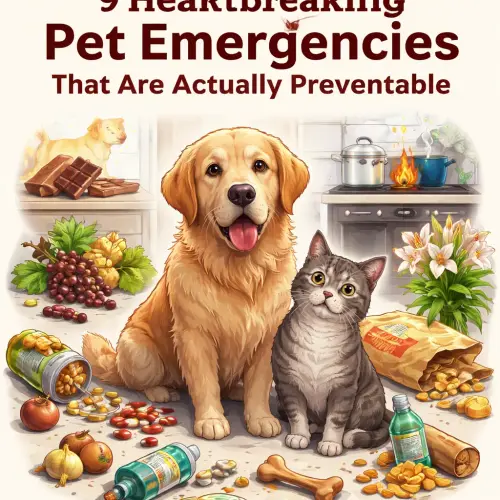
What Pet Emergencies Are Actually Preventable?
When we bring a pet into our home, we promise to keep them safe. Yet thousands of pets end up in emergency clinics each year for incidents that could have been avoided with a little foresight. The term Preventable Pet Emergencies covers a wide range of situations: accidental poisonings from household cleaners, choking on toys or food, heatstroke from being left in a car, and injuries from falls or fights.
The common thread is that each of these scenarios has a straightforward prevention strategy. Understanding what these emergencies are is the first step toward how to avoid life threatening situations in pets. This isn’t about blame—it’s about empowerment. Every owner has the power to reduce risk dramatically by learning the common preventable pet emergencies every owner should know.
9 Heartbreaking Pet Emergencies That Are Actually Preventable
Below, we break down nine specific emergencies that are all too common, the heartbreaking details of what happens, and—most importantly—exactly how to prevent them. Each one represents a chance to act before tragedy strikes.
1. Poisoning from Human Foods
One of the most frequent preventable causes of pet poisoning at home is human food. Chocolate, xylitol (found in sugar-free gum and baked goods), grapes, raisins, onions, and garlic are highly toxic to dogs and cats. A single lick of xylitol-sweetened peanut butter can cause a dangerous drop in blood sugar. The clinical signs—vomiting, seizures, liver failure—are devastating and often fatal without immediate treatment.
Prevention tip: Keep all human food, especially sweets and baked goods, in closed cabinets or the refrigerator. Educate all family members and guests about how to stop pets from eating toxic foods. Never leave food unattended on counters or tables. Use pet-safe treats for training and rewards.
Call to action: Create a “no table scraps” rule in your home today and share this list with anyone who lives with or visits your pet.
2. Ingestion of Toxic Household Plants
Many popular houseplants and garden flowers are dangerous. Lilies (especially for cats), sago palms, tulips, azaleas, and oleander can cause kidney failure, severe vomiting, and cardiac issues. Cats are notorious for nibbling on leaves, and a lily pollen exposure can be fatal within hours.
Prevention tip: Review a list of common toxic plants for pets to avoid and remove any from your home and yard. The ASPCA Animal Poison Control Center maintains a searchable list. Replace toxic plants with pet-safe alternatives like spider plants, Boston ferns, or parlor palms. For a related guide, see 11 Questions to Ask Your Vet During Your First Visit.
Call to action: Walk through your home and yard this weekend and identify any potentially toxic plants. Remove or relocate them immediately.
3. Choking on Small Objects or Food
Dogs and cats explore the world with their mouths. Ingesting small toys, socks, balls, rawhide chews, or bones can lead to choking or gastrointestinal obstruction. This is a terrifying emergency where the pet cannot breathe or swallow, leading to panic and suffocation.
Prevention tip: Learn how to keep pets safe from choking hazards by choosing size-appropriate toys and avoiding items that can be broken into small pieces. Supervise chewing sessions and discard worn-out toys. Never give cooked bones; they splinter easily.
Call to action: Do a “choking hazard audit” of your pet’s toy bin. Throw away any toys that are ripped, have loose parts, or are small enough to fit entirely inside your pet’s mouth.
4. Heatstroke from Overheating
Heatstroke is a severe Preventable Pet Emergencies that occurs when a pet’s body temperature rises above 104°F (40°C). This can happen after being left in a parked car (even with windows cracked), overexertion in hot weather, or being confined to a hot room without ventilation. Brachycephalic breeds like Bulldogs, Pugs, and Persians are especially vulnerable.
Prevention tip: There are several ways to prevent heatstroke in pets. Never leave your pet in a parked vehicle, even for five minutes. Provide constant access to fresh, cool water and shade. Avoid intense exercise during peak heat hours (10 a.m. to 4 p.m.). Know the early signs: excessive panting, drooling, red gums, and lethargy.
Call to action: Set a phone reminder for hot days to check your pet’s water bowl and schedule walks for cooler morning or evening hours.
5. Accidental Injuries from Falls or Fights
Pets can suffer serious injuries from falling off balconies, out of windows, or during rough play with other animals. Injuries like fractures, head trauma, and spinal damage are common. Dog fights and cat fights also result in deep wounds and infections that can become life-threatening quickly.
Prevention tip: Understand how to avoid accidental injuries in dogs and cats. Secure windows and balcony doors with screens or safety grills. Supervise interactions between pets, especially during high-energy play. Keep cats indoors or in a secure enclosure. Train dogs for reliable recall and leash manners.
Call to action: Check all windows and balcony doors in your home for secure screens or locks. Practice recall training with your dog in a safe, enclosed area.
6. Burns and Electrical Injuries
Puppies and kittens, in particular, chew on electrical cords, which can cause severe mouth burns, cardiac arrest, or house fires. Another danger is a pet jumping onto a hot stovetop or touching a space heater. The resulting injuries are painful and often require extensive veterinary care.
Prevention tip: Explore ways to avoid burns and electrical injuries in pets. Tuck all electrical cords out of reach or use cord protectors. Never leave space heaters unattended around pets. Install stove knob covers and never leave hot pots on the edge of the stove. Place fireplaces behind a sturdy screen.
Call to action: Inspect every room for exposed electrical cords. Use a cord management box or wrap cords in spiral tubing to deter chewing.
7. Dehydration and Heat-Related Neglect
Even without extreme heat, a pet left without fresh water for several hours can become dehydrated. Older pets, those with chronic illness, and very young animals are most at risk. Dehydration can lead to kidney failure, urinary crystals, and collapse. This also falls under neglect-related emergencies that stress the entire system.
Prevention tip: Focus on preventing dehydration and neglect related emergencies by providing multiple clean water stations around the house. Refill bowls at least twice a day. If you leave for work, ensure an automatic water dispenser or a trusted sitter checks on your pet. Recognize signs of dehydration: dry gums, sunken eyes, and skin that doesn’t snap back quickly when pinched.
Call to action: Add a second water bowl in a different room today. Schedule a daily “paws check” to assess your pet’s demeanor and hydration.
8. Household Chemical Poisoning
Cleaning products, antifreeze, rodenticides, and even essential oils can poison a pet. A small puddle of antifreeze smells sweet and tastes good to dogs, but a single lick can be fatal. Pets walk through chemicals on floors and then groom their paws, ingesting the toxins.
Prevention tip: Secure all chemicals in high cabinets or utility closets with childproof locks. Use pet-safe cleaning products whenever possible. Clean up spills immediately. Never use rat poison or ant traps where pets can access them. Know the signs of chemical poisoning: drooling, vomiting, stumbling, and seizures.
Call to action: Move all cleaning products, insecticides, and automotive fluids to a locked cabinet. Make the switch to at least one pet-safe cleaner today.
9. Road Accidents and Loose Pet Injuries
A startling number of Preventable Pet Emergencies involve pets slipping out of collars, bolting out an open door, or escaping a fenced yard and being hit by a car. Even in quiet neighborhoods, a loose pet is at extreme risk. The injuries from vehicle collisions are often catastrophic.
Prevention tip: Understand how to prevent road accidents involving pets. Use a properly fitting collar and harness with a leash for every walk. Ensure your yard fence is secure and has no gaps or escape routes. Microchip your pet and keep your contact information up to date. Install a pet gate near the front door if you have a flight-risk animal.
Call to action: Check your pet’s collar and ID tags today. Ensure they fit securely and the tag information is current. Schedule a microchip appointment if your pet isn’t already chipped.
How to Pet Proof Your Home Effectively: A Checklist
Pet-proofing your living space is the most powerful tool in your prevention arsenal. The goal is to anticipate what your curious companion will get into before it becomes a problem. The preventing household dangers for pets checklist below will help you implement what safety measures reduce pet emergency risks.
| Area of Risk | Actions to Take |
|---|---|
| Kitchen and Food | Secure toxic foods high up. Use trash cans with locking lids. Never leave food unattended. |
| Living Room | Relocate toxic plants. Tuck away all electrical cords. Remove small toys and loose objects. |
| Bedrooms | Keep medications in closed drawers. Prevent access to under-bed storage that may contain small items. |
| Bathroom | Keep toilet lids closed to prevent drowning. Store cleaners, razors, and floss in cabinets. |
| Garage and Yard | Secure antifreeze, paints, and pesticides. Fence the yard securely. Remove toxic plants. Check for fence gaps. |
| Windows and Balconies | Install sturdy screens. Never leave unscreened windows open. Block access to balconies if you have a jumper. |
Early Warning Signs Before a Preventable Pet Emergencies Happens
Recognizing early warning signs before a Preventable Pet Emergencies happens can buy you precious time. Subtle changes in behavior often precede a crisis. A dog that suddenly refuses to jump on the couch may have a hidden injury. A cat that hides under the bed for two days may be ill.
Trust your instincts. If something feels off, it probably is. Watch for decreased appetite, changes in water consumption, unusual breathing, persistent coughing, vomiting or diarrhea, limping, or eye discharge. Early intervention can turn a potential emergency into a manageable vet visit.
How to Prepare for Preventable Pet Emergencies at Home
Even with the best prevention, accidents can still happen. How to prepare for Preventable Pet Emergencies at home involves having a plan in place before you need it. Assemble a pet first-aid kit that includes gauze, antiseptic wipes, adhesive tape, a digital thermometer, and the phone number for the nearest 24-hour emergency vet. Keep a list of emergency contacts in a visible spot.
Learn basic skills like how to check your pet’s pulse, take their temperature, and safely transport an injured animal. This preparation works alongside your prevention efforts to keep your pet as safe as possible.
How Responsible Care Preventable Pet Emergencies Tragedies
Ultimately, how responsible care prevents pet tragedies comes down to daily habits. It means being mindful about what’s within reach of a nose or a paw. It means choosing safer alternatives for plants, treats, and cleaning products. It means never assuming a familiar environment is safe—because a new walker, a dropped pill, or an open gate can change everything in a second.
Responsible care is not about being perfect; it’s about being present and proactive. Every small step you take—a lock on a cabinet, a fresh water bowl, a supervised play session—builds a fortress of safety around your beloved family member.
Useful Resources
For deeper guidance on specific prevention topics, these trusted sources are excellent references.
- Visit the ASPCA Animal Poison Control Center for a full list of toxic foods and plants, plus a 24-hour hotline for emergencies.
- Read the American Veterinary Medical Association’s disaster preparedness guide for step-by-step plans for keeping pets safe during emergencies, including power outages and natural disasters.
Frequently Asked Questions About Preventable Pet Emergencies
What are the most common Preventable Pet Emergencies?
The most common Preventable Pet Emergencies include accidental poisoning from human food or household chemicals, choking on small objects, heatstroke from being left in a hot car, and injuries from falls or car accidents.
Is chocolate really that dangerous for dogs?
Yes, chocolate contains theobromine and caffeine, which dogs cannot metabolize. Even small amounts can cause vomiting, diarrhea, tremors, seizures, and heart failure, especially in smaller dogs.
How can I tell if my cat has eaten a toxic plant?
Signs include drooling, vomiting, diarrhea, loss of appetite, lethargy, and difficulty breathing. If you suspect any plant ingestion, contact your vet or an animal poison control hotline immediately.
What foods should I never give my Preventable Pet Emergencies?
Never give your pet chocolate, xylitol (found in gum and sugar-free products), grapes, raisins, onions, garlic, macadamia nuts, or undercooked meat and eggs. These are among the most common preventable causes of pet poisoning at home.
How long does it take for a dog to get heatstroke?
Heatstroke can develop in as little as 10 to 15 minutes in a hot vehicle. Even on a 70°F day, the temperature inside a car can reach 110°F within an hour, making it a critical emergency.
Can cats die from lily poisoning?
Yes, ingestion of any part of a lily plant or even pollen from lilies can cause acute kidney failure in cats, often fatal without immediate veterinary treatment.
Is it safe to give my dog a cooked bone?
No, cooked bones, especially from poultry, can splinter easily and cause choking, intestinal blockage, or internal tears. Raw bones under supervision are safer, but should still be monitored.
What should I do if my Preventable Pet Emergencies swallows something they shouldn’t?
Do not induce vomiting unless instructed by a veterinarian, as some objects can cause more damage coming up. Call your vet or an animal poison control center immediately for guidance based on the item swallowed.
How do I stop my puppy from chewing on everything?
Provide a variety of safe chew toys, use positive reinforcement to redirect chewing, and keep tempting items out of reach. Puppy-proofing your home is a key part of how to pet proof your home effectively.
Can essential oils poison Preventable Pet Emergencies?
Yes, many essential oils, including tea tree, peppermint, and citrus oils, can cause drooling, vomiting, skin irritation, and even seizures in pets if ingested or applied to the skin. Use a diffuser in a well-ventilated area and never apply oils directly to your Preventable Pet Emergencies.
How can I prevent dehydration in my cat?
Provide multiple water bowls in quiet locations. Consider a pet water fountain to encourage drinking. Wet food can also supplement water intake. Watch for signs like dry gums or loss of skin elasticity.
What are the early signs of a Preventable Pet Emergencies emergency?
Early warning signs before a pet emergency happens include sudden lethargy, severe vomiting or diarrhea, difficulty breathing, pale gums, collapse, or an inability to urinate. Trust your gut if your pet is acting odd.
Is antifreeze poisoning common in Preventable Pet Emergencies?
Yes, antifreeze (ethylene glycol) is highly toxic to Preventable Pet Emergencies because it tastes sweet. Even a small amount can cause kidney failure and death. Clean up spills immediately and store closed containers securely.
How do I keep my pet safe from electrical cords?
Use cord management systems like cord protectors or cable covers. Place furniture in front of outlets. Unplug appliances that aren’t in use. Train your pet to stay away, especially during the puppy stage.
What should I include in a Preventable Pet Emergencies first-aid kit?
A basic Preventable Pet Emergencies first-aid kit should include sterile gauze, adhesive tape, antiseptic wipes, tweezers, a digital thermometer, a muzzle, and contact numbers for your regular vet and a 24-hour emergency clinic.
How can I prevent my dog from escaping the yard?
Regularly inspect your fence for gaps, loose boards, or digging spots. Install a tension wire at the bottom of the fence. Never leave a gate unlatched. Supervise outdoor time.
Is it safe to let my cat roam outdoors?
Outdoor cats face significantly higher risks of injury, poisoning, and disease than indoor cats. To prevent road accidents involving pets, consider a secure outdoor catio or supervised leash walks instead.
How do burns happen in Preventable Pet Emergencies?
Burns often result from pets jumping onto hot stoves, chewing on electrical cords, or lying too close to space heaters. Prevention involves securing these heat sources and supervising Preventable Pet Emergencies near them.
What are the most dangerous household chemicals for Preventable Pet Emergencies?
Antifreeze, bleach, toilet bowl cleaners, drain openers, and rodenticides are some of the most dangerous. Always store them in locked cabinets and use Preventable Pet Emergencies alternatives.
How does responsible care Preventable Pet Emergencies tragedies?
Responsible care means being proactive—Preventable Pet Emergencies-proofing your home, learning first aid, keeping toxic items out of reach, and recognizing behavioral changes early. These daily habits are the most effective way to prevent pet tragedies.