
Responsible Pet Ownership Key Takeaways
At its core, responsible pet ownership is the commitment to meet all of an animal’s needs — for its entire life.
- Responsible pet ownership means providing proper nutrition, preventive veterinary care, safe housing, daily exercise, and consistent training.
- Financially, pet owners should budget for food, routine checkups, emergency care, and supplies — often costing $500–$2,000 per year for dogs and cats.
- Socialization, lifelong learning, and teaching children compassionate care are all essential parts of being a responsible pet parent.
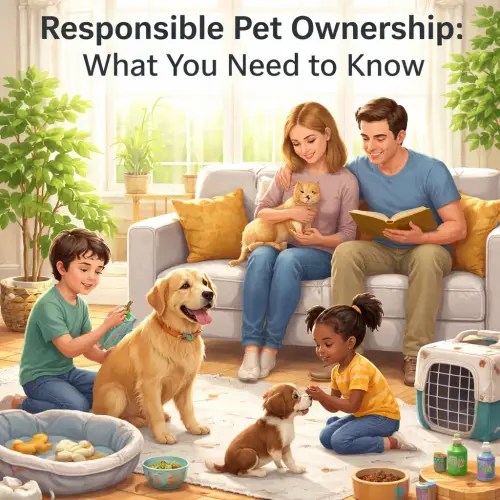
What Is Responsible Pet Ownership Exactly?
At its core, responsible pet ownership is the commitment to meet all of an animal’s needs — for its entire life. The American Veterinary Medical Association defines it as a duty that includes providing food, water, shelter, health care, and training, as well as preventing the pet from causing harm to people or property. It also means being a good neighbor: cleaning up after your dog, controlling barking, and following local leash laws. True ownership is not about convenience; it’s about consistent, informed care.
What Do Responsible Pet Owners Need to Know Before Adopting?
Before bringing any pet home, prospective owners must research the specific needs of the species and breed. What do responsible pet owners need to know before adoption? They need to understand lifespan, exercise requirements, grooming demands, and potential health issues. For example, a high-energy breed like a Border Collie requires several hours of daily exercise, while a Persian cat needs daily brushing. Other key points include:
- Housing space — does your home allow enough room for the pet to thrive?
- Time commitment — puppies, kittens, and senior pets all require different levels of attention.
- Family readiness — all household members should agree on the decision.
- Emergency plan — who will care for the pet if you are away or unwell?
How Can You Become a Responsible Pet Owner in 5 Steps
Becoming a responsible owner is a process that starts before adoption and continues throughout the pet’s life. Follow these actionable steps to ensure you’re ready.
Step 1: Assess Your Lifestyle Honestly
Consider your daily routine, work schedule, travel habits, and activity level. A busy professional living in a small apartment may not be suited for a high-energy dog, but could provide an excellent home for a laid-back adult cat or a small caged pet.
Step 2: Budget for Long-Term Costs
What costs should pet owners prepare for? Beyond the adoption fee, budget for food, routine veterinary care, vaccinations, flea/tick prevention, grooming, toys, bedding, and emergency medical expenses. Many experts recommend having at least $1,000 set aside for unexpected veterinary bills.
Step 3: Pet-Proof Your Home
How do you create a safe environment for pets? Remove toxic plants, secure loose wires, store cleaning chemicals and medications out of reach, and block off small spaces where a curious pet could get stuck. For cats, ensure windows have secure screens.
Step 4: Establish a Veterinary Relationship
Why are regular veterinary visits important? Annual wellness exams catch early signs of disease, keep vaccinations current, and help you manage your pet’s weight and dental health. Puppies and kittens require a series of vaccinations and deworming in their first months.
Step 5: Commit to Training and Socialization
How do training and socialization benefit pets? Basic obedience training builds communication and trust. Socialization — exposing your pet to different people, animals, and environments — reduces fear and aggression. Well-socialized pets are happier and safer to be around.
Why Is Responsible Pet Ownership Important for the Whole Community?
Why is responsible pet ownership important beyond the pet and owner? It reduces the number of strays and shelter animals, lowers the spread of zoonotic diseases, helps preserve wildlife (by keeping cats indoors and dogs leashed), and builds a more compassionate society. Responsible ownership also prevents neglect and abuse by setting a clear standard of care.
What Are the Daily Responsibilities of Pet Owners?
Daily tasks vary by species, but every owner should expect to:
- Provide fresh food and clean water at least twice a day.
- Offer adequate exercise — walks, playtime, or supervised outdoor access.
- Spend quality bonding time, such as gentle grooming or cuddling.
- Clean litter boxes, crates, or outdoor areas.
- Observe your pet’s behavior and appetite for signs of illness.
How Do You Properly Care for Pets Long Term?
Long-term care requires adapting to your pet’s changing needs. For dogs and cats, senior years bring joint issues, dental disease, and vision loss. How do you properly care for pets long term? Schedule semi-annual vet visits for pets over seven years old, switch to senior-formula diets as needed, and provide ramps or soft bedding for comfort. For long-lived species like parrots or tortoises, planning for future care in your will is part of responsible ownership. For a related guide, see Proper Dental Care for Pets.
How Can Responsible Ownership Improve Pet Health?
How can responsible ownership improve pet health? Proactive care is everything. Owners who stick to a prevention schedule — including vaccines, parasite control, and dental cleanings — often see fewer illnesses and longer lifespans. A balanced diet paired with daily exercise maintains a healthy weight, which reduces strain on joints and internal organs. Emotional health matters too: a pet that feels safe and loved is less prone to stress-related conditions like over-grooming or destructive behavior. For a related guide, see The Importance of Regular Veterinary Checkups.
What Are Common Mistakes Pet Owners Should Avoid?
Even well-meaning owners make missteps. What are common mistakes pet owners should avoid? They include: For a related guide, see 10 Shocking Pet Care Mistakes Most Owners Make.
- Skipping veterinary visits due to cost or time.
- Overfeeding or giving too many treats, leading to obesity.
- Using punishment-based training methods that cause fear.
- Leaving pets alone for extended periods without enrichment.
- Ignoring behavioral changes that signal pain or illness.
How Can Pet Owners Meet Emotional and Physical Needs of Pets?
Meeting both dimensions requires intentional effort. Physically, provide daily exercise appropriate to the species and age — a 30-minute walk for a healthy adult dog or 15 minutes of wand play for a cat. Emotionally, offer predictable routines, positive reinforcement, and a safe space where your pet can retreat. How can pet owners meet emotional and physical needs of pets? Rotate toys to prevent boredom, teach new tricks for mental stimulation, and include your pet in family activities when possible.
What Are Healthy Habits for Pet Care to Start Today?
Establishing healthy habits for pet care early will make ownership easier and more rewarding. Habits include:
- Brushing your pet’s teeth daily (or at least three times per week).
- Keeping a consistent feeding schedule.
- Checking ears, eyes, and skin weekly for abnormalities.
- Maintaining a weight log for early detection of obesity.
- Regularly washing bedding and toys to prevent bacterial buildup.
How Do Pet Owners Maintain Proper Nutrition and Exercise
How do pet owners maintain proper nutrition and exercise effectively? Start by reading pet food labels — look for AAFCO statements and named protein sources (like “chicken meal” rather than “meat by-products”). Portion control is vital: use a measuring cup and follow feeding guides based on your pet’s ideal weight. For exercise, vary the routine to keep it engaging — combine walks with fetch, swimming, or agility games. Always have fresh water available, especially after physical activity.
What Supplies Are Essential for Pet Care?
A well-prepared owner gathers essential supplies for pet care before the pet arrives. Core items include:
| Category | Essential Supplies |
|---|---|
| Feeding | Food and water bowls, high-quality food, measuring cup |
| Comfort | Bed/crate, blankets, appropriate-sized cage or carrier |
| Health | First-aid kit, nail clippers, toothbrush, pet-safe shampoo |
| Identification | Collar, ID tag with phone number, microchip registration |
| Enrichment | Toys, puzzle feeders, scratching posts, leash and harness |
What Legal Responsibilities Come With Owning a Pet?
Ownership is also a legal contract. What legal responsibilities come with owning a pet? You must follow local licensing and vaccination laws, leash and pooper-scooper ordinances, and noise regulations. Landlord permission is required if you rent. In many areas, pets must wear ID tags, and microchipping is mandatory. Failure to comply can result in fines or, in serious neglect cases, criminal charges. As the American Society for the Prevention of Cruelty to Animals (ASPCA) notes, animal cruelty laws are now enforced more strictly than ever.
How Can Responsible Ownership Prevent Pet Neglect?
Neglect often happens gradually — a skipped walk here, a missed vet visit there. How can responsible ownership prevent pet neglect? Awareness is the first defense. Create a pet care checklist and post it visibly. Set phone reminders for vaccinations and parasite treatments. If you feel overwhelmed, reach out to a trainer, veterinarian, or local rescue for support — asking for help is a sign of responsibility, not failure. Community education also plays a role: share information about proper care with neighbors and friends to raise the overall standard of animal welfare.
Why Is Lifelong Commitment Important for Pets?
Why is lifelong commitment important for pets? Because pets form deep emotional bonds and rely entirely on their owners. Rehoming or surrendering an animal is traumatic and often avoidable. A commitment means planning for the pet’s entire lifespan — 10–15 years for most dogs and cats, longer for birds, reptiles, and small mammals. It means adjusting your life as needed, not abandoning the pet when life gets busy.
How Can Families Teach Children Responsible Pet Care
Raising a pet alongside children can be a beautiful lesson in empathy and accountability. How can families teach children responsible pet care in age-appropriate ways:
- Toddlers (ages 2–4): gentle petting, helping to fill the water bowl under supervision.
- Elementary (ages 5–9): feeding with a measured scoop, brushing the pet, walking a calm dog with adult help.
- Pre-teens and teens: full responsibility for feeding, scooping litter, and keeping a care journal.
Always supervise interactions and model calm, respectful handling. Use picture books or videos about empathy for animals to reinforce lessons.
Useful Resources
For further reading, visit the American Veterinary Medical Association’s pet care section for authoritative guides on health, behavior, and safety. The ASPCA’s pet care resources also offer practical tips on everything from nutrition to emergency preparedness.
Embracing responsible pet ownership is one of the most rewarding decisions you can make. It strengthens the bond between you and your pet, improves their health and happiness, and creates a positive impact in your community. By being prepared, educated, and committed, you give your pet the life they deserve — and gain a loyal companion for years to come.
Frequently Asked Questions About Responsible Pet Ownership
What is responsible pet ownership ?
Responsible pet ownership means meeting all of a pet’s physical, medical, emotional, and social needs throughout its life while respecting laws and neighbors.
What do responsible pet owners need to know before getting a pet?
They need to research lifespan, exercise requirements, grooming needs, common health issues, and the full financial cost of care.
How can you become a responsible pet owner quickly?
Start by pet-proofing your home, scheduling a vet visit, learning basic training techniques, and setting a daily care routine.
Why is responsible pet ownership important for society?
It reduces strays, prevents neglect, protects public health, and fosters a more compassionate community.
What are the daily responsibilities of pet owners ?
Daily tasks include feeding, watering, exercising, cleaning up waste, providing enrichment, and checking for signs of illness.
How do you properly care for pets long term ?
Long-term care involves adjusting diet and exercise as the pet ages, providing regular veterinary checkups, and planning for senior or end-of-life needs.
What costs should pet owners prepare for ?
Owners should budget for adoption fees, food, routine vet care, vaccinations, emergency care, grooming, supplies, and pet insurance if desired.
How can responsible ownership improve pet health ?
By providing a balanced diet, regular exercise, preventive veterinary care, and a low-stress environment, owners significantly reduce disease and extend lifespan.
What are common mistakes pet owners should avoid ?
Skipping vet visits, overfeeding, using punishment-based training, leaving pets alone too long, and ignoring behavior changes are common pitfalls.
How do you create a safe environment for pets ?
Remove toxic plants and chemicals, secure wires and cords, block off small spaces, use secure window screens, and provide a quiet retreat area.
Why are regular veterinary visits important ?
They allow early detection of illness, keep vaccinations and parasite control current, support dental care, and help manage weight and behavior.
How can pet owners meet emotional and physical needs of pets ?
Offer daily exercise, mental stimulation through toys and training, predictable routines, and affection. Give your pet space to rest and feel secure.
What are healthy habits for pet care ?
Daily brushing, teeth cleaning, ear checks, consistent feeding schedules, weight monitoring, and regular bedding washing are all healthy habits.
How do training and socialization benefit pets ?
Training builds communication and trust, while socialization reduces fear and aggression, making pets calmer and safer in various situations.
What legal responsibilities come with owning a pet ?
You must license your pet, keep vaccinations current, follow leash laws, clean up waste, and prevent nuisance behaviors like excessive noise.
How can responsible ownership prevent pet neglect ?
Maintain a care checklist, set reminders for vet visits, seek help when feeling overwhelmed, and educate yourself and your community about proper care.
What supplies are essential for pet care ?
Essential supplies include good-quality food, bowls, a comfortable bed, crate or carrier, collar and ID, leash, grooming tools, and enrichment toys.
How do pet owners maintain proper nutrition and exercise ?
Feed a balanced, species-appropriate diet measured by weight, provide fresh water always, and create a daily exercise plan that matches your pet’s breed and age.
Why is lifelong commitment important for pets ?
Pets form deep attachments; rehoming or surrender causes stress. Lifelong commitment means adjusting your life to meet their needs for their entire lifespan.
How can families teach children responsible pet care ?
Assign age-appropriate tasks like feeding or brushing, supervise all interactions, and use stories or videos to teach empathy and respect for animals.