
Home / 10 Ways to Calm an Anxious Pet at Home
Ways to Calm an Anxious Pet at Home Key Takeaways
Helping a nervous dog or cat feel safe doesn’t require expensive tools or vet visits every time.
Table of Contents
Why Learning Ways to Calm an Anxious Pet at Home Matters
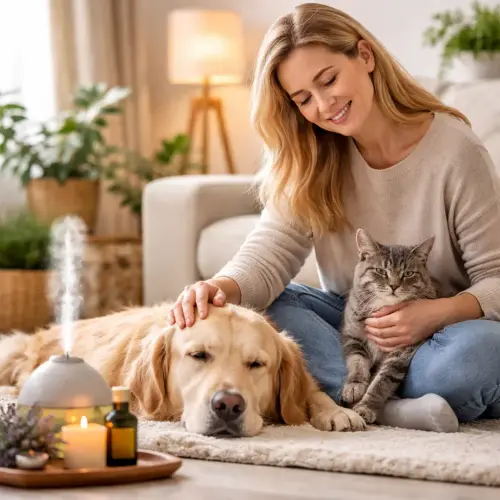
Pets experience stress just like people do, but they can’t tell us what’s wrong. Anxiety in dogs and cats often shows up as destructive behavior, withdrawal, or even physical symptoms like diarrhea. By mastering how to calm an anxious pet at home, you reduce their suffering and strengthen your bond. The techniques below cover everything from how to reduce stress in dogs and cats naturally to dealing with specific situations like thunder or vet trips. For a related guide, see 10 Signs Your Dog Is Sick and Needs a Vet.
1. Create a Safe Space for an Anxious Pet
Creating a quiet retreat is one of the best Ways to Calm an Anxious Pet at Home because pets feel safer when they have a secure environment away from loud sounds and stressful activity. Many owners use crates, covered beds, or quiet corners as Ways to Calm an Anxious Pet at Home during thunderstorms, fireworks, or unfamiliar situations. Adding familiar blankets, toys, and clothing with your scent can improve Ways to Calm an Anxious Pet at Home by helping pets feel comforted and protected.
A safe hiding area also supports Ways to Calm an Anxious Pet at Home by giving dogs and cats more control over stressful situations. Cats often prefer elevated hiding places, while dogs usually respond well to cozy enclosed spaces. Practicing relaxation training inside the safe area strengthens Ways to Calm an Anxious Pet at Home and helps pets associate the location with calm behavior. Consistency is important when using Ways to Calm an Anxious Pet at Home for nervous pets.
2. Use Exercise to Reduce Pet Anxiety
Daily physical activity is one of the healthiest Ways to Calm an Anxious Pet at Home because exercise reduces nervous energy and improves mood. Walks, fetch games, and interactive toys are effective Ways to Calm an Anxious Pet at Home for dogs that struggle with stress or boredom. Cats also benefit from enrichment activities as part of Ways to Calm an Anxious Pet at Home, especially hunting-style games using feather wands or laser pointers.
Regular exercise routines improve Ways to Calm an Anxious Pet at Home by reducing destructive behavior, pacing, whining, and excessive barking. Mental stimulation is equally important because puzzle toys and training sessions strengthen Ways to Calm an Anxious Pet at Home through positive engagement. High-energy breeds may require longer activity sessions for effective Ways to Calm an Anxious Pet at Home results. Always adjust exercise intensity based on your pet’s age and health condition.
3. Establish Routines to Ease Pet Stress at Home
Predictable schedules are powerful Ways to Calm an Anxious Pet at Home because pets feel safer when they know what to expect each day. Feeding, walking, bedtime, and play sessions at consistent times are simple Ways to Calm an Anxious Pet at Home that reduce uncertainty and emotional stress. Dogs and cats often become calmer when owners maintain reliable daily habits as part of Ways to Calm an Anxious Pet at Home.
Structured routines improve Ways to Calm an Anxious Pet at Home by reducing separation anxiety and stress-related behaviors. Pets become more confident when they can anticipate meals, bathroom breaks, and family interaction. Morning rituals and bedtime habits strengthen Ways to Calm an Anxious Pet at Home because they create emotional stability. Consistency remains one of the most effective Ways to Calm an Anxious Pet at Home for nervous pets.
4. Does Music Help Calm Pets? Yes—Use Sound Strategically
Music therapy is one of the easiest Ways to Calm an Anxious Pet at Home because soothing sounds may lower heart rate and reduce stress behaviors. Soft classical music and pet-specific playlists are common Ways to Calm an Anxious Pet at Home during storms, fireworks, or alone time. Many owners use calming audio as part of their daily Ways to Calm an Anxious Pet at Home routine to create a quieter environment.
Sound therapy improves Ways to Calm an Anxious Pet at Home by masking loud noises that trigger fear or panic. White noise machines and low-volume calming music can support Ways to Calm an Anxious Pet at Home when pets become anxious during nighttime or travel. Sudden loud sounds should be avoided because they interfere with Ways to Calm an Anxious Pet at Home and may increase anxiety instead. Gentle background audio is one of the simplest Ways to Calm an Anxious Pet at Home available.
5. Use Natural Calming Aids for Pets
Natural supplements and calming products are useful Ways to Calm an Anxious Pet at Home without relying immediately on medication. Pheromone diffusers, calming treats, herbal remedies, and anxiety wraps are common options for dogs and cats experiencing mild stress. Many veterinarians recommend starting with natural Ways to Calm an Anxious Pet at Home before considering stronger treatments.
Products like L-theanine, chamomile, and pet-safe CBD oils may support relaxation and emotional balance in anxious pets. Testing calming aids at home helps owners determine which products work best before stressful situations occur. Combining supplements with routines and exercise strengthens Ways to Calm an Anxious Pet at Home for long-term anxiety management. Always consult your veterinarian before adding new calming supplements.
6. Train a Pet to Feel Less Anxious Through Counterconditioning
Behavior training is one of the most effective Ways to Calm an Anxious Pet at Home because it changes how pets respond emotionally to stressful triggers. Counterconditioning techniques pair scary experiences with positive rewards like treats or toys. Many trainers use these Ways to Calm an Anxious Pet at Home to reduce fear linked to doorbells, visitors, or loud noises.
Training sessions help pets associate triggers with safe experiences instead of panic. Short, consistent sessions are important because progress happens gradually over time. Positive reinforcement strengthens Ways to Calm an Anxious Pet at Home while punishment often worsens anxiety. Patience and consistency are essential for long-term behavior improvement.
7. Recognize Triggers of Pet Anxiety
Understanding anxiety triggers is one of the smartest Ways to Calm an Anxious Pet at Home because identifying the source helps owners prevent stressful situations earlier. Loud noises, unfamiliar visitors, travel, vet appointments, and separation are common triggers for anxious pets. Keeping a journal of behaviors can improve Ways to Calm an Anxious Pet at Home by helping owners recognize patterns.
Once triggers are identified, owners can prepare better calming strategies before stress escalates. Preventive routines, safe spaces, and distraction techniques become more effective when tailored to specific fears. Awareness allows families to build personalized Ways to Calm an Anxious Pet at Home strategies instead of reacting after panic begins.
Early preparation improves overall anxiety management outcomes.owners can prepare better Ways to Calm an Anxious Pet at Home before stress escalates. Preventive routines, safe spaces, and distraction techniques become more effective Ways to Calm an Anxious Pet at Home when tailored to specific fears. Awareness allows families to build personalized Ways to Calm an Anxious Pet at Home strategies instead of reacting after panic begins. Early preparation improves overall Ways to Calm an Anxious Pet at Home outcomes.
8. Comfort a Scared Pet During Loud Noises
Storms and fireworks are common reasons owners search for Ways to Calm an Anxious Pet at Home because sudden loud sounds trigger panic in many animals. Creating a quiet indoor retreat is one of the fastest Ways to Calm an Anxious Pet at Home during noise-related stress. Many pets respond well to blankets, calming music, white noise, and distraction toys as temporary Ways to Calm an Anxious Pet at Home.
Remaining calm yourself improves Ways to Calm an Anxious Pet at Home because pets often react to human emotions. Punishment should never be used because it interferes with healthy Ways to Calm an Anxious Pet at Home and increases fear. Frozen treats, puzzle toys, and gentle reassurance support Ways to Calm an Anxious Pet at Home during stressful events. Severe noise phobias may require veterinary guidance alongside these Ways to Calm an Anxious Pet at Home strategies.
9. Signs of Pet Anxiety and How Long Does Pet Anxiety Last
Recognizing symptoms early is one of the most important Ways to Calm an Anxious Pet at Home because faster intervention prevents stress from worsening. Common anxiety signs include panting, pacing, hiding, whining, destructive chewing, and excessive grooming. Identifying these behaviors supports Ways to Calm an Anxious Pet at Home by helping owners respond before panic becomes severe.
The duration of anxiety varies depending on the trigger, which is why consistent Ways to Calm an Anxious Pet at Home are important for long-term improvement. Situational anxiety may last minutes or hours, while separation anxiety can continue daily without treatment. Combining routines, enrichment, and positive reinforcement improves Ways to Calm an Anxious Pet at Home over time. Early management greatly strengthens Ways to Calm an Anxious Pet at Home for chronic anxiety cases.
10. When to Seek Help for Pet Anxiety
Professional guidance becomes necessary when home-based Ways to Calm an Anxious Pet at Home no longer provide enough relief. Severe anxiety may cause self-injury, aggression, digestive problems, or refusal to eat despite multiple Ways to Calm an Anxious Pet at Home strategies. Veterinarians can identify medical causes contributing to stress and recommend stronger Ways to Calm an Anxious Pet at Home options if needed.
Behavior specialists and trainers often combine medication with advanced Ways to Calm an Anxious Pet at Home for pets struggling with long-term fear or panic. Seeking help early improves the effectiveness of Ways to Calm an Anxious Pet at Home and prevents behaviors from becoming deeply ingrained. Professional support is not a failure but an important extension of responsible Ways to Calm an Anxious Pet at Home care. Long-term treatment plans often create the most successful Ways to Calm an Anxious Pet at Home results.
Useful Resources
For deeper reading on canine and feline behavior, visit the American Veterinary Medical Association’s resources: AVMA Anxiety in Pets.
The American Society for the Prevention of Cruelty to Animals (ASPCA) also offers a detailed guide on separation anxiety at ASPCA Separation Anxiety Guide.
Conclusion: Helping your pet feel calm at home doesn’t require a magic solution—just a combination of understanding, consistency, and love. Start with one or two of these ways to calm an anxious pet at home today, and watch your pet’s confidence grow. If you’re ever in doubt, your vet and a qualified behavior professional are always there to support you.
Frequently Asked Questions About Ways to Calm an Anxious Pet at Home
What are the most common signs of pet anxiety ?
Common signs include panting, trembling, hiding, destructive chewing, excessive barking or meowing, licking, pacing, and urinating indoors even when house-trained.
How can I calm my dog during a thunderstorm?
Create a safe space like a covered crate, play calming music, use a pheromone diffuser, and offer a high-value treat or toy for distraction. Stay calm yourself.
Does music really help calm an anxious pet at home?
Yes, especially classical piano music for dogs and species-specific music for cats. Slow tempos and no sudden loud noises work best to lower stress.
What natural supplements can help reduce stress in dogs and cats naturally ?
L-Theanine, chamomile, valerian root, and CBD oil formulated for pets are common options. Always check with your vet before starting any supplement.
How do I create a safe space for an anxious pet at home?
Choose a quiet area, add a comfy bed, cover a crate with a blanket, and place items that smell like you inside. Reward your pet for going there calmly.
Can exercise really reduce pet anxiety?
Yes, regular physical activity burns off stress hormones and releases feel-good endorphins. Tailor daily walks, play sessions, or puzzle feeders to your pet’s needs.
How long does pet anxiety last ?
It varies. Situational anxiety (e.g., from a loud noise) lasts as long as the trigger. Separation anxiety can last 15–30 minutes or more after you leave. Chronic anxiety may persist daily without intervention.
What are the best home remedies for pet anxiety that work?
Consistent routines, a safe space, pheromone diffusers, calming music, interactive play, and gradual desensitization to triggers are among the most effective remedies.
How can I help a pet with separation anxiety ?
Practice short departures that get longer over time, leave calming music playing, provide puzzle toys, and pair your departure cues with treats to create positive associations.
How do I recognize triggers of pet anxiety ?
Keep a diary for a week noting when your pet shows stress and what was happening just before. Common triggers include noises, visitors, being alone, and changes in environment.
How can I soothe a nervous pet quickly ?
Take your pet to their safe space, play calming music or white noise, offer a lick mat or frozen Kong, and use slow, gentle petting along their shoulders or back.
Are calming vests or wraps effective?
Many pets find gentle pressure calming—similar to swaddling. Products like ThunderShirts can help during storms, travel, or vet visits if introduced gradually.
How do I comfort a scared pet during fireworks?
Close windows and curtains, turn up the TV or music, and create a cozy den. Stay with your pet and speak in a soothing voice. Avoid coddling excessively, which can reinforce fear.
Can I train a pet to feel less anxious ?
Absolutely. Using counterconditioning—pairing triggers with positive experiences—over time changes your pet’s emotional reaction. Professional trainers can guide this process.
What routines ease pet stress at home the most?
Consistent feeding times, regular walks or play sessions, and a predictable bedtime routine are the most calming. Predictability reduces uncertainty, a major source of anxiety.
Does pet anxiety ever go away on its own?
Mild situational anxiety (like a single thunderstorm) may fade when the trigger passes, but chronic or separation anxiety typically requires active management and training to improve.
How can I calm my pet during a car ride?
Use a secure carrier or pet seatbelt, crack windows for fresh air, play music, and bring familiar comforts like a favorite blanket. Try short trips first, then build up.
What should I do if my pet breaks out in hives during stress?
Stress can trigger histamine release in some pets. If hives appear, contact your vet. Antihistamines may help, but always use pet-specific doses under vet guidance.
When should I see a vet for pet anxiety?
If your pet harms themselves or others, stops eating, vomits frequently from stress, or doesn’t improve after several weeks of home interventions—seek veterinary help.
Can diet affect pet anxiety?
Yes, high-quality protein, omega-3 fatty acids, and certain probiotics support brain health. Some pets benefit from limited-ingredient diets if food sensitivities exacerbate behavior.