
Ways to Make Your Home More Cat-Friendly Key Takeaways
Before diving into the eight specific ways, it helps to see the world from your cat’s perspective.
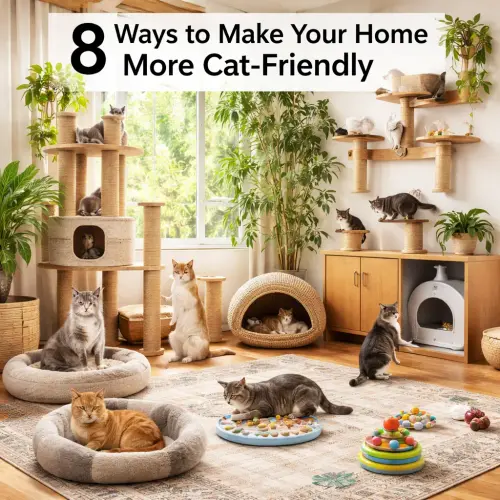
Understanding What Your Cat Needs to Thrive Indoors
Before diving into the eight specific ways, it helps to see the world from your cat’s perspective. Indoor cats rely entirely on us to meet their physical and emotional needs. What do cats need at home to feel comfortable? They need safety, predictability, opportunities to express natural behaviors, and a sense of ownership over their territory. When these needs go unmet, stress builds, and you may see unwanted behaviors like furniture scratching, urine marking, or hiding. The good news is that a few thoughtful changes can transform your home into a cat friendly living space that both you and your pet will love. For a related guide, see 8 Ways to Show Love to Your Pet (That They Understand).
1. Build a Cat Superhighway with Vertical Space
One of the most effective ways to make your home more cat-friendly is by creating vertical space. Cats are natural climbers in the wild, they use height to escape danger and observe their surroundings. Indoors, vertical setups like shelves, cat trees, and wall perches provide that same sense of safety and control.
This is especially important in small apartments where floor space is limited but walls offer untapped potential. Adding vertical pathways not only enriches your cat’s environment but also supports their natural instincts making it one of the smartest ways to make your home more cat-friendly.
How to create vertical space for cats at home
One of the most practical ways to make your home more cat-friendly is by building upward. Wall-mounted shelves, cat trees, window perches, and even a sturdy bookshelf with cleared-off levels can all become part of your cat’s vertical territory.
Arrange these elements so your cat can move from one spot to another without touching the floor—creating a true “cat superhighway.” Place a perch near a sunny window for daytime lounging and another in a quiet corner for rest and privacy.
In multi-cat homes, adding multiple vertical pathways helps reduce competition and tension. Giving each cat their own elevated routes and escape options is one of the smartest ways to make your home more cat-friendly, while also helping reduce stress and promote harmony.
2. Provide the Right Scratching Posts — and Enough of Them
One of the most essential ways to make your home more cat-friendly is providing proper scratching options. Scratching isn’t a bad habit it’s a biological need. Cats scratch to mark territory, stretch their muscles, and keep their claws healthy.
Without appropriate scratching posts for indoor cats, your furniture like sofas, curtains, and carpets often becomes the target. To prevent destructive behavior, offer a variety of surfaces your cat enjoys, such as sisal, cardboard, or wood.
Placing scratching posts in key areas near sleeping spots or favorite hangouts makes them more appealing. Giving your cat the right outlets for this natural behavior is one of the most effective ways to make your home more cat-friendly while protecting your home at the same time.
Choosing the best scratching posts
Selecting the right setup is one of the smartest ways to make your home more cat-friendly. Look for scratching posts that are tall enough for your cat to fully stretch (at least 32 inches), sturdy enough not to wobble, and made from textures they enjoy such as sisal rope, cardboard, or carpet.
Placement matters just as much as the post itself. Put one near your cat’s favorite sleeping area and another beside furniture they tend to scratch. To encourage use, try adding a dangling toy or rubbing catnip onto the surface.
Avoid punishing your cat for scratching. Instead, gently redirect them to the post and reward them with praise or a treat. This positive approach is one of the most effective ways to make your home more cat-friendly while supporting your cat’s natural behavior.
3. Optimize Litter Box Placement for Privacy and Safety
One of the most important ways to make your home more cat-friendly is choosing the right location for the litter box. Many new cat owners ask where to place it, and the answer can make or break your cat’s bathroom habits.
Cats feel vulnerable when eliminating, so they need a space that is quiet, private, and easy to access. Avoid high-traffic areas, loud appliances, or places where they could feel cornered. Instead, choose calm, low-disturbance spots where your cat can feel safe.
Getting this right is one of the most impactful ways to make your home more cat-friendly, helping prevent accidents and ensuring your cat feels secure in their environment.
Litter box setup guidelines
Creating the right setup is one of the most practical ways to make your home more cat-friendly. Place litter boxes in low-traffic areas away from noisy appliances like washing machines, and never position them near food and water bowls.
A helpful rule is to have one more litter box than the number of cats—so if you have two cats, provide three boxes. Spread them throughout your home instead of clustering them in one area to give your cat options and reduce stress.
In a cat-friendly space, choose boxes that are uncovered or have wide, open entrances so your cat doesn’t feel trapped. Keep them clean by scooping daily and washing with mild soap weekly. Following these steps is one of the most effective ways to make your home more cat-friendly, helping prevent litter box issues and keeping your cat comfortable.
4. Create Cozy Hiding Spots and Resting Areas
One of the most comforting ways to make your home more cat-friendly is by creating cozy places where your cat can rest and feel safe. Cats sleep a lot—often up to 16 hours a day—and they also need quiet hiding spots to retreat to when they feel overwhelmed.
Distribute resting areas throughout your home to give your cat options. A bed on a high shelf, a covered cave, a simple cardboard box with a soft blanket, or even a quiet closet with a towel can all work well.
Providing these safe, comfortable spaces is one of the simplest yet most effective ways to make your home more cat-friendly, helping your cat feel secure, relaxed, and in control of their environment.
Designing a safe environment for indoor cats
Creating a secure space is one of the most important ways to make your home more cat-friendly, especially for shy cats or new adoptees. Start with a “safe room” that includes food, water, a litter box, and comfortable hiding spots where your cat can settle in without feeling overwhelmed.
As your cat becomes more confident, gradually introduce new areas by leaving the door open and allowing them to explore at their own pace. Avoid forcing them out of hiding—respecting their need for solitude helps build trust and confidence.
In multi-cat households, providing multiple cozy resting areas prevents competition and reduces tension. Thoughtful setup and patience are key ways to make your home more cat-friendly, ensuring every cat feels safe and secure.
5. Cat-Proof Your Home Like a Pro
One of the smartest ways to make your home more cat-friendly is thorough cat-proofing. Whether you have a curious kitten or a senior cat, safety should always come first. Cats are naturally inquisitive and can get into trouble with plants, electrical cords, small objects, and even open windows.
A helpful tip is to inspect your home from your cat’s perspective—literally get down to their level and look for anything tempting or potentially dangerous. This simple step can reveal hidden risks you might otherwise miss.
Taking time to secure your space is one of the most essential ways to make your home more cat-friendly, helping prevent accidents while giving your cat the freedom to explore safely.
Top safety hazards to address
Addressing household risks is one of the most important ways to make your home more cat-friendly, especially for curious kittens or vulnerable senior cats.
- Plants: Many common houseplants like lilies, pothos, philodendrons, and sago palm are toxic to cats. Replace them with safer options such as spider plants, Boston ferns, or cat grass.
- Cords and blinds: Secure dangling blind cords and bundle electrical wires with covers or hide them behind furniture to prevent chewing.
- Open windows and balconies: Install sturdy screens or netting—cats can slip through surprisingly small gaps.
- Small objects: Keep items like rubber bands, hair ties, buttons, and coins out of reach, as these can cause serious intestinal blockages if swallowed.
- Cleaning products and medications: Store these in locked cabinets. Even small amounts can be harmful if ingested.
Being proactive about these hazards is one of the most essential ways to make your home more cat-friendly, helping keep your pet safe while they explore and play.
6. Manage Lighting, Noise, and Temperature for Cat Comfort
Creating the right atmosphere is one of the most overlooked ways to make your home more cat-friendly. Cats have highly sensitive hearing—much more acute than ours—so loud TVs, shouting, or sudden noises can easily cause stress. Set up quiet zones where your cat can retreat and relax بعيد from household commotion.
Lighting also plays a role. Soft, dimmable lighting works best since cats see well in low light and don’t need bright overhead fixtures. For temperature, provide both warm and cool options—a sunny windowsill or heated bed for warmth, and tile or stone surfaces for cooling down in hot weather.
If your home is noisy, especially near busy streets, white noise machines or calming music can help. Pheromone diffusers can also reduce anxiety by mimicking natural calming signals. Managing these environmental factors is one of the most effective ways to make your home more cat-friendly, helping your cat feel calm, secure, and comfortable every day.
7. Offer a Rotating Selection of Toys and Enrichment Activities
Indoor cats need mental stimulation to thrive. Without it, boredom sets in, and you may see over-grooming, lethargy, or aggression. The key is variety and novelty. Toys and enrichment indoor cats benefit from should mimic the hunting sProviding mental stimulation is one of the most engaging ways to make your home more cat-friendly. Indoor cats need opportunities to express their natural hunting instincts—without it, boredom can lead to over-grooming, low energy, or even aggression. The key is variety and novelty.
Toys and enrichment should mimic the natural hunting sequence: stalk, chase, pounce, catch, and “kill.” Keeping this cycle in mind helps create a more fulfilling environment.
Ideas to keep cats active and mentally stimulated indoors:
- Interactive wand toys: Spend 10–15 minutes twice daily using wand toys that mimic prey—hide, dart, and pause to keep your cat engaged.
- Puzzle feeders: Encourage problem-solving by making your cat “work” for food or treats. Start simple, then increase difficulty.
- DIY enrichment: Try scattering kibble in a box with crumpled paper, freezing broth cubes, or hiding treats in a muffin tin covered with tennis balls.
- Window watching: Set up a view of birds or outdoor activity to safely satisfy their hunting instincts.
- Cat tunnels and treat-dispensing toys: Great for small spaces while still offering high engagement.
Rotate toys every few days to keep them fresh and exciting. Creating a stimulating environment doesn’t require expensive gadgets—just consistency and creativity. These efforts are some of the most enjoyable ways to make your home more cat-friendly, helping your cat stay happy, active, and mentally fulfilled.
8. Set Up Your Multi-Cat Home for Harmony
Creating balance in a multi-cat household is one of the most important ways to make your home more cat-friendly. Cats can be territorial, so harmony depends on providing enough resources, space, and careful observation of their behavior. Each cat should have access to their own essentials—food and water bowls, litter boxes, scratching posts, beds, and toys—spread across different areas so no single cat can control them all.
Strategies for peaceful coexistence
- Use vertical space: Create escape routes and separate perching spots so cats can avoid conflict.
- Separate feeding stations: Ideally in different rooms to reduce tension during meals.
- Introduce gradually: When bringing in a new cat, use scent swapping, site swapping, and supervised visits.
- Watch for stress signals: Hiding, hissing, or over-grooming can indicate tension add resources or adjust the setup early.
The guiding principle is simple: more is better. More litter boxes, more beds, more perches, and more hiding spots reduce competition and stress. This abundance is one of the most effective ways to make your home more cat-friendly, helping multiple cats live together calmly and comfortably.
Useful Resources
These external guides offer additional depth on topics we covered:
- Indoor Pet Initiative – Ohio State University — Expert information on feline nutrition, behavior, and creating a safe indoor environment.
- ASPCA Cat Care Guide — Comprehensive resource on cat health, safety, and enrichment tips from a trusted animal welfare organization.
Conclusion: A Home That Honors Your Cat’s Nature
Creating a cat-friendly home isn’t about perfection—it’s about intention. Every scratching post, window perch, and quiet nook sends a clear message: your cat is safe, secure, and truly belongs. The ways to make your home more cat-friendly we’ve explored aren’t complicated—they’re thoughtful adjustments that align your space with your cat’s natural instincts.
Whether you’re a first-time cat owner, managing a multi-cat household, or living in a small apartment, these changes provide a practical and realistic roadmap. Start small—add a shelf, reposition a litter box, or spend a few extra minutes in focused play.
Over time, these simple efforts become powerful ways to make your home more cat-friendly, strengthening your bond and improving your cat’s well-being. And in the end, a comfortable, content cat creates a calmer, happier home for both of you.
Frequently Asked Questions About Ways to Make Your Home More Cat-Friendly
How do I start making my Ways to Make Your Home More Cat-Friendly?
The best way to begin is by focusing on simple, practical ways to make your home more cat-friendly. Start by seeing your space from your cat’s perspective get low to the ground and notice what’s accessible, tempting, or potentially unsafe.
Add a few elevated perches or shelves so your cat can climb and observe. Place scratching posts in high-traffic areas where your cat already spends time. Make sure litter boxes are in quiet, low-disturbance locations, and remove hazards like toxic plants or small objects that could be swallowed.
You don’t need to change everything at once. Small, thoughtful adjustments are powerful ways to make your home more cat-friendly, and they quickly add up to a safer, more comfortable environment for your cat.
Can I have a cat-friendly home in a small apartment?
Absolutely. Some of the most effective ways to make your home more cat-friendly in a small space focus on using vertical areas. Wall-mounted shelves, cat trees, and window perches let your cat climb and explore without taking up valuable floor space.
You can also choose space-saving litter box furniture, keep clutter minimal for clear pathways, and use interactive toys to provide exercise and mental stimulation. A well-designed small space can be just as enriching as a larger home.
In the end, creating a stimulating environment isn’t about square footage it’s about thoughtful design. With a bit of creativity, even the smallest apartment can support many ways to make your home more cat-friendly.
How many scratching posts per cat is enough?
Aim for at least two scratching posts per cat, placed in different locations one near sleeping areas and one near activity zones. More is always better, especially in multi-cat homes. The goal is to offer an attractive alternative to your furniture.
Where should I NOT place a litter box?
Avoid placing litter boxes in basements (if they’re scary or hard to reach), next to loud appliances, near food and water, or in tight closets with no exits. Cats dislike being cornered. Choose locations that are quiet, accessible, and easy for you to clean daily.
How do I reduce stress in a new cat?
Set up a small safe room with food, water, litter, and hiding spots. Spend time near the room reading aloud or offering treats through the door. Let your cat emerge on their own schedule. Use calming pheromone diffusers and keep noise low for the first week.
Do cats prefer high places or low hiding spots?
Both. Cats love vertical perches for surveying their territory, but they also need ground-level hiding spots like covered beds or cardboard boxes. Offering variety helps your cat choose the spot that feels safest in any given moment.
How do I cat-proof a balcony?
Install sturdy, escape-proof netting or screening that is securely fastened to the balcony frame. Check for gaps where a cat could squeeze through. Never let your cat onto a balcony unattended unless it is fully enclosed and safe.
What toys do indoor cats need most?
Interactive wand toys that you control, puzzle feeders, and balls with bells or crinkle sounds. Cats need toys that let them practice hunting behaviors. Rotating toys weekly prevents boredom and keeps playtime exciting.
How do I introduce a new cat to my current cat?
Scent swap first: rub a towel on each cat and place it in the other cat’s space. Then do site swapping — let each cat explore the other’s room without meeting. Finally, have short, supervised face-to-face sessions with treats and distractions. Go slow; it can take weeks or months.
What are signs my cat is stressed at home?
Common signs include hiding more than usual, over-grooming (bald spots), spraying or urinating outside the box, decreased appetite, aggressive hissing or swatting, and excessive vocalization. If you notice these, evaluate recent changes and increase enrichment and safe spaces.
Is it okay to keep cats indoors only?
Yes, indoor cats live longer, healthier lives — an average of 12–18 years versus 2–5 years for outdoor cats. The key is providing enough enrichment and exercise to compensate for the lack of outdoor exploration. A well-designed home keeps indoor cats happy and stimulated.
How do I prevent my cat from scratching furniture?
Redirect, don’t punish. Place a scratching post next to the furniture they target. Cover the furniture with a textured protector temporarily. Use catnip or treats on the post. Consistent positive reinforcement works better than scolding.
What is the best setup for a senior cat?
Senior cats need easier access. Provide low-entry litter boxes, soft orthopedic beds, ramps or steps to favorite perches, and non-slip surfaces. Keep their environment consistent — reduce loud noises and sudden changes. More frequent, gentle play sessions keep them limber.
How do I make a room stimulating for a cat without toys?
Use what you have: a cardboard box with holes cut in it, a paper bag, a blanket fort, a sunny windowsill, or a pile of laundry. Cats find stimulation in simple things. You can also scatter kibble on the floor or hide treats around the room for them to forage.
Should I leave the TV on for my cat?
Some cats enjoy nature shows or video content designed for cats (with birds or fish). Keep the volume low. If your cat seems stressed by sound, leave music or a white noise machine instead of TV. Every cat is different.
How often should I change my cat’s enrichment?
Rotate toys and puzzle feeders every 3–5 days. Rearrange furniture or add a new box periodically. Cats are curious about novelty; stale environments lead to boredom. A small weekly change keeps the home feeling fresh.
Can I use essential oils for my cat’s comfort?
Many essential oils (tea tree, peppermint, citrus) are toxic to cats and should never be diffused or applied. Stick to cat-safe pheromone products like Feliway or catnip. When in doubt, consult your veterinarian before using any aromatherapy.
What if my cat still seems bored despite enrichment?
Try clicker training. Cats can learn tricks like sit, high-five, or even fetch. Training sessions provide mental work and strengthen your bond. Also check that your cat is getting enough one-on-one playtime — two 10-minute sessions daily with an interactive wand toy can make a huge difference.
How long does it take a cat to adjust to a new home?
It varies widely. Some cats settle in a few days; others may need three months or more. The key is patience. Let your cat set the pace, provide multiple hiding spots, and maintain a consistent routine. With time and trust, even the most nervous cat will feel at home.