
Home / 9 Symptoms That Mean You Should Visit a Vet Immediately
Symptoms That Mean You Should Visit a Vet Immediately Key Takeaways
If your pet stumbles, falls to the side, cannot stand, or seems suddenly wobbly, you are witnessing a medical crisis.
Table of Contents
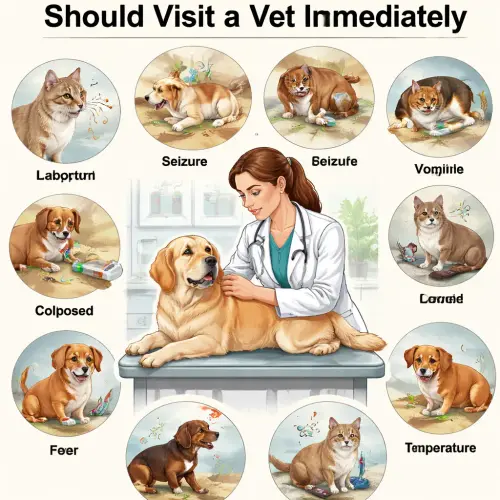
If your pet stumbles, falls to the side, cannot stand, or seems suddenly wobbly, you should visit a vet immediately because you may be witnessing a life-threatening medical crisis. Sudden collapse or weakness in pets meaning can include heart arrhythmias, internal bleeding, stroke, toxin exposure, or severe metabolic disease. These are dangerous conditions where you should visit a vet immediately rather than waiting for symptoms to pass. Even a short collapse episode can become fatal without treatment, so you should visit a vet immediately if your pet suddenly loses balance or strength.
Many owners hope their pet will “snap out of it,” but delaying care is risky and you should visit a vet immediately when neurological symptoms appear. If your pet drags limbs, struggles to stand, or becomes disoriented, you should visit a vet immediately because these may be life threatening symptoms in dogs and cats. Pale gums, rapid breathing, trembling, or confusion are additional warning signs that mean you should visit a vet immediately without hesitation.
How Fast Should I Act in a Pet Emergency as Severe as This?
Immediately. Pick your pet up carefully — supporting the head and spine — and go. Do not offer food or water. Do not try to force them to walk. Paralysis or collapse that resolves within minutes may recur, and you should visit a vet immediately even if your pet temporarily seems normal again. If your pet collapses a second time, you should visit a vet immediately because every episode may become more dangerous.
How fast should I act in a pet emergency like collapse? Faster than you think. In emergencies involving weakness, collapse, or sudden paralysis, you should visit a vet immediately because every minute without treatment lowers survival chances. When symptoms involve breathing difficulty, unconsciousness, or inability to stand, you should visit a vet immediately and head to the nearest emergency veterinary clinic. No online advice can replace urgent medical care, and in situations this severe, you should visit a vet immediately every single time.
1. Difficulty Breathing or Constant Coughing
Breathing problems are one of the clearest signs you should visit a vet immediately. If your dog or cat is struggling to breathe, breathing rapidly while resting, wheezing, or coughing nonstop, emergency veterinary care is necessary. These symptoms may signal heart disease, pneumonia, asthma, allergic reactions, or fluid buildup in the lungs.
Signs Your Pet Is Having Trouble Breathing
Watch for:
- Open-mouth breathing in cats
- Blue, gray, or pale gums
- Loud or strained breathing sounds
- Excessive panting without exercise
- Stretching the neck forward to breathe
- Weakness, restlessness, or collapse
When to Seek Emergency Vet Care
If your pet cannot rest comfortably because of breathing difficulty, appears weak, or has bluish gums, you should visit a vet immediately. Oxygen support, emergency medications, and imaging tests may be needed to stabilize your pet quickly.
2. Repeated Vomiting or Severe Diarrhea
Digestive distress is another major reason you should visit a vet immediately. Repeated vomiting or severe diarrhea in pets can quickly cause dehydration, electrolyte imbalance, and shock, especially in puppies, kittens, and senior pets.
Warning Signs That Require Immediate Care
Seek emergency help if your pet:
- Vomits multiple times within a few hours
- Cannot keep water down
- Has bloody vomit or diarrhea
- Produces black, tar-like stool
- Becomes weak or lethargic
Why Fast Treatment Matters
Severe digestive illness can worsen rapidly without treatment. Veterinary care may include IV fluids, anti-nausea medications, bloodwork, or X-rays to identify the underlying problem. Delaying care increases the risk of organ damage and serious complications.
3. Sudden Collapse or Extreme Weakness
A collapsing or severely weak pet is a strong sign you should visit a vet immediately. Sudden collapse or extreme weakness in pets can be caused by heart disease, poisoning, internal bleeding, heatstroke, neurological problems, or severe infections.
Symptoms to Watch Closely
Emergency warning signs include:
- Inability to stand
- Confusion or disorientation
- Pale gums
- Rapid breathing
- Shaking or trembling
- Cold limbs or loss of consciousness
Emergency Actions for Pet Owners
Keep your pet calm and transport them carefully to the nearest veterinary clinic right away. Avoid offering food, water, or medications unless instructed by a veterinarian. Fast medical treatment can save your pet’s life.
4. Seizures or Uncontrollable Tremors
Neurological symptoms are serious reasons you should visit a vet immediately. Seizures in pets and uncontrollable tremors may be linked to epilepsy, toxin exposure, brain inflammation, low blood sugar, liver disease, or trauma.
Common Signs of a Seizure
During a seizure, pets may:
- Collapse suddenly
- Paddle their legs
- Twitch or shake uncontrollably
- Drool excessively
- Lose bladder control
- Become temporarily unresponsive
Some pets remain confused or disoriented afterward.
When Immediate Vet Care Is Needed
Emergency treatment is critical if a seizure lasts more than five minutes or multiple seizures occur within 24 hours. Keep your pet away from stairs or sharp objects and never place your hands near their mouth during an episode.
5. Severe Bleeding or Visible Injury
Heavy bleeding or traumatic injury is another situation where you should visit a vet immediately. Severe bleeding or visible injury in pets can involve bite wounds, broken bones, deep cuts, and vehicle accidents that may cause hidden internal damage.
Emergency Signs to Watch For
Seek urgent veterinary attention if:
- Bleeding does not stop within minutes
- Bones are visible
- Your pet cries out when touched
- Swelling or limping appears after trauma
- Your pet struggles to stand or move normally
What to Do Before Reaching the Vet
Apply gentle pressure with a clean cloth to control bleeding and keep your pet as still as possible during transport. Never attempt to reset broken bones yourself. Quick treatment reduces the risk of shock, infection, and permanent damage.
6. Poisoning or Toxic Exposure
Toxin exposure is one of the most dangerous signs you should visit a vet immediately. Poisoning or toxic exposure in pets can happen from chocolate, grapes, onions, medications, cleaning products, and certain household plants.
Symptoms of Possible Poisoning
Watch for:
- Vomiting or diarrhea
- Excessive drooling
- Tremors or seizures
- Difficulty breathing
- Sudden weakness or collapse
- Extreme restlessness or lethargy
Immediate Steps to Take
Contact a veterinarian immediately if you suspect poisoning, even if symptoms seem mild. Bring the product packaging or the name of the suspected toxin if possible. Do not induce vomiting unless specifically instructed by a veterinary professional.sible. Do not induce vomiting unless specifically instructed by a veterinary professional.
7. Bloated Abdomen in Dogs Emergency Symptoms
A swollen abdomen can be one of the most dangerous signs you should visit a vet immediately. Gastric dilatation-volvulus (GDV), commonly called bloat, is a life-threatening emergency most often seen in large-breed and deep-chested dogs.
Bloated abdomen in dogs emergency symptoms include:
- A visibly swollen or tight belly
- Unproductive retching or attempts to vomit
- Excessive drooling
- Pacing or restlessness
- Signs of severe abdominal pain
- Weakness or collapse
With GDV, the stomach twists and cuts off blood flow to vital organs. This condition can become fatal within hours, making it one of the clearest emergencies where you should visit a vet immediately.
What to Do
This is a true race against time.
- Do not try to make your dog vomit
- Do not offer food or water
- Keep your dog as calm as possible during transport
- Go to the nearest emergency veterinary clinic immediately
Every minute matters. Be prepared to tell the veterinary team when the symptoms started and how quickly they progressed.
8. High Fever in Pets When to Seek Immediate Help
A dangerously high temperature is another sign you should visit a vet immediately. Normal body temperature for dogs and cats ranges from 100.5°F to 102.5°F. A temperature of 103.5°F or higher is considered a fever, while temperatures above 106°F can cause organ damage and become life-threatening.
High fever in pets when to seek immediate help often depends on accompanying symptoms and how quickly the fever rises. Common causes include:
- Infections
- Heatstroke
- Inflammatory conditions
- Toxin ingestion, including ibuprofen or raisins
How to Check Your Pet’s Temperature
Use a pediatric rectal thermometer lubricated with petroleum jelly and gently insert it about one inch. If your pet resists strongly or you are uncomfortable performing this safely, skip the thermometer and seek veterinary care instead.
When Fever Becomes an Emergency
A fever combined with the following symptoms means you should visit a vet immediately:
- Shivering or trembling
- Severe lethargy
- Vomiting or diarrhea
- Refusal to eat or drink
- Weakness or collapse
- Difficulty breathing
Veterinary treatment may include fluids, antibiotics, fever-reducing medications, and testing to identify the underlying cause before complications develop.
9. Poisoning Symptoms in Pets and Emergency Response
Toxin exposure is one of the most urgent reasons you should visit a vet immediately. Everyday items such as chocolate, xylitol, lilies, antifreeze, medications, cleaning products, and certain foods can rapidly become life-threatening for pets.
Poisoning symptoms in pets and emergency response are important for every pet owner to recognize early. Common warning signs include:
- Vomiting or diarrhea
- Excessive drooling
- Tremors or seizures
- Sudden weakness or collapse
- Difficulty breathing
- Changes in pupil size or heart rate
- Extreme restlessness or lethargy
First Steps in Suspected Poisoning
If you believe your pet has ingested something toxic:
- Do not induce vomiting unless specifically instructed by a veterinarian or poison control expert
- Remove access to the suspected toxin immediately
- Bring the packaging, label, or a sample of the substance if possible
- Transport your pet to emergency veterinary care right away
Some toxins cause additional damage when vomited back up, which is why professional guidance is critical.
You can also contact:
- The ASPCA Animal Poison Control Center
- The Pet Poison Helpline
Because symptoms can worsen rapidly, poisoning is always a situation where you should visit a vet immediately rather than waiting for signs to improve.
Other Urgent Conditions You Cannot Ignore
Beyond these nine major warning signs, there are several other situations where you should visit a vet immediately. Some emergencies appear subtle at first but can rapidly become life-threatening without prompt treatment.
Other urgent conditions include:
- Difficulty urinating or complete inability to urinate
- Severe allergic reactions with facial swelling or hives
- Heatstroke or dangerously high body temperature
- Deep bite wounds or uncontrolled bleeding
- Sudden blindness or serious eye injuries
- Straining to defecate with pain or bloating
- Suspected broken bones or traumatic injuries
- Persistent crying, severe pain, or nonstop restlessness
- Ingestion of foreign objects like socks, string, bones, or toys
These symptoms may indicate internal injury, obstruction, organ failure, or severe infection. When behavior changes suddenly, symptoms worsen quickly, or your pet seems dramatically different from normal, it is safest to assume you should visit a vet immediately rather than waiting to see if the condition improves on its own.
Urinary Blockage Symptoms in Pets Emergency Warning
Difficulty urinating is one of the most dangerous signs you should visit a vet immediately, especially in male cats. A urinary blockage can rapidly become fatal if urine cannot leave the body.
Urinary blockage symptoms in pets emergency warning signs include:
- Straining to urinate
- Crying out while trying to pee
- Passing only tiny drops of urine
- Blood-tinged urine
- Frequent trips to the litter box with little output
- Vomiting or hiding
- A painful, firm abdomen or bladder
Without emergency treatment, toxins build up quickly in the bloodstream. Bladder rupture, kidney failure, and life-threatening electrolyte imbalances can occur within 24 to 48 hours.
Why Immediate Treatment Matters
If your pet cannot urinate normally, you should visit a vet immediately. Emergency care may involve catheter placement, pain control, IV fluids, and hospitalization to relieve the blockage and stabilize organ function.
Never wait overnight or assume the problem will resolve on its own. A urinary blockage is a true veterinary emergency.
Severe Pain Signs in Pets You Should Not Ignore
Severe pain is one of the clearest reasons you should visit a vet immediately. Pets instinctively hide discomfort, so when pain becomes obvious, the underlying problem is often serious.
Severe pain signs in pets you should not ignore include:
- Crying, whining, or vocalizing unexpectedly
- Guarding a body part or reacting aggressively when touched
- Rapid panting while resting
- Refusing to walk, stand, or move normally
- Shaking or trembling
- Hunched posture or stiffness
- Sudden aggression or hiding behavior
Some dogs with abdominal pain or pancreatitis may show the “praying position,” where the front legs stretch forward while the rear stays raised. This posture is a major warning sign that you should visit a vet immediately.
Why Severe Pain Is an Emergency
Pain is not a disease itself — it is a symptom that something is seriously wrong. Severe pain may be caused by:
- Internal injury or bleeding
- Pancreatitis
- Fractures or spinal injury
- Severe infection
- Urinary blockage
- Neurological disease
If your pet suddenly appears unable to get comfortable, cries out repeatedly, or reacts intensely to touch, seek veterinary care right away. Early treatment can prevent shock, worsening injury, and long-term complications.
Eye Injuries in Pets When to Go to Vet
Eye problems are serious warning signs you should visit a vet immediately. A squinting, red, cloudy, swollen, or bulging eye may indicate a corneal ulcer, glaucoma, infection, trauma, or a foreign object trapped under the eyelid.
Eye injuries in pets when to go to vet is simple: immediately. Eye conditions can worsen very quickly and may lead to permanent vision loss or even removal of the eye if treatment is delayed.
Warning Signs of an Eye Emergency
Watch for:
- Squinting or keeping the eye closed
- Redness or swelling
- Cloudiness or a blue-gray appearance
- Excessive tearing or discharge
- Pawing at the face or eye
- Sudden sensitivity to light
- A bulging or enlarged eye
These symptoms are strong indicators that you should visit a vet immediately for proper evaluation and treatment.
What Pet Owners Should Avoid
Do not apply eye drops, ointments, or medications unless specifically prescribed by your veterinarian for that exact problem. Some medications can worsen ulcers or other eye conditions.
Keep your pet from rubbing the eye if possible and seek veterinary care as quickly as you can. Early treatment greatly improves the chances of saving your pet’s vision.
How Fast Should I Act in a Pet Emergency
The safest rule is simple: if you are wondering whether you should visit a vet immediately, the answer is usually yes. Severe symptoms can worsen rapidly, and delaying treatment often reduces the chances of recovery.
When facing a possible emergency:
- Place your pet safely in a carrier, crate, or secured harness
- Keep them calm and limit unnecessary movement
- Bring any medications, toxin packaging, or medical records if relevant
- Head to the nearest veterinary clinic or emergency hospital right away
Do not wait for symptoms to “pass,” search endlessly online, or rely on advice from friends when your pet is showing serious warning signs. Conditions involving breathing trouble, collapse, seizures, poisoning, urinary blockage, severe pain, or uncontrolled bleeding require immediate professional care.
In true emergencies, the veterinary clinic is the safest place for your pet. Fast action can save their life.
Useful Resources
For immediate assistance before and during transport, contact these trusted organizations.
- ASPCA Animal Poison Control Center — 24/7 hotline for poisoning emergencies in pets.
- Pet Poison Helpline — Another reliable, fee-based emergency poison resource for pet owners and vets.
Frequently Asked Questions About Symptoms That Mean You Should Visit a Vet Immediately
What is the most common emergency sign in dogs?
Difficulty breathing or heavy panting while resting is one of the most common signs you should visit a vet immediately. Dogs normally pant after exercise or in hot weather, but labored breathing, wheezing, coughing, or rapid breathing without activity can indicate a serious emergency.
Common causes include:
- Heart disease
- Pneumonia
- Heatstroke
- Allergic reactions
- Fluid buildup in the lungs
- Airway obstruction
Warning signs that require urgent care include blue or pale gums, open-mouth breathing, collapse, or inability to rest comfortably. Any sudden change in your dog’s normal breathing pattern should be treated as a pet emergency requiring immediate veterinary attention.
Can I call my regular vet for an emergency?
Yes, you should call your regular veterinarian first if their clinic is open. Many general veterinary practices can handle urgent cases during normal business hours or direct you to the appropriate emergency facility.
If the emergency happens after hours, on weekends, or during holidays, you may need to go to a 24-hour emergency veterinary hospital instead. Situations involving breathing difficulty, seizures, collapse, poisoning, urinary blockage, or severe bleeding are conditions where you should visit a vet immediately rather than waiting for the next available appointment.
It is also a good idea to:
- Save your regular vet’s number in your phone
- Locate the nearest 24-hour emergency animal hospital in advance
- Keep transportation supplies like a carrier or leash ready
Preparing ahead of time can save valuable minutes during a real pet emergency.
Is it safe to give my pet human pain medication at home?
No. Human pain medications are one of the most common reasons you should visit a vet immediately after accidental ingestion. Drugs such as ibuprofen, acetaminophen, naproxen, and even aspirin can be extremely dangerous for dogs and cats.
These medications may cause:
- Stomach ulcers and internal bleeding
- Kidney failure
- Liver damage
- Seizures or neurological problems
- Life-threatening poisoning
Cats are especially sensitive to acetaminophen, while ibuprofen and naproxen are highly toxic to both dogs and cats even in small amounts.
Never give any human medication unless a veterinarian specifically prescribes the exact drug and dosage for your pet. If your pet accidentally swallows human pain medication, seek emergency veterinary care immediately, even if symptoms have not appeared yet..
What should I do if my pet is having a seizure at home?
If your pet is having a seizure at home, stay as calm as possible and focus on keeping them safe. Time the seizure from start to finish, since duration is important information for your veterinarian.
During the seizure:
- Keep your pet away from stairs, furniture edges, and sharp objects
- Dim lights and reduce noise if possible
- Do not restrain your pet
- Do not place your hands near their mouth
- Do not try to give food, water, or medication during the episode
After the seizure, some pets may appear confused, disoriented, temporarily blind, or unsteady. Keep them in a quiet, safe area while preparing to travel.
You should visit a vet immediately if:
- The seizure lasts longer than three to five minutes
- Multiple seizures occur within 24 hours
- Your pet has difficulty breathing afterward
- Your pet does not recover normally after the episode
Even a short seizure should be evaluated by a veterinarian as soon as possible, especially if it is the first time it has happened.
How do I know if my dog’s vomiting is an emergency?
Vomiting becomes a serious warning sign you should visit a vet immediately when it is frequent, severe, or accompanied by other symptoms. While mild stomach upset can happen occasionally, certain signs point to a potentially life-threatening emergency.
Emergency indicators include:
- Blood in the vomit
- Repeated vomiting within 12 hours
- A swollen, hard, or painful abdomen
- Vomiting combined with lethargy or weakness
- Refusing food or water
- Difficulty breathing or collapse
- Black, tar-like stool
- Puppies or kittens vomiting more than once
These symptoms may indicate poisoning, intestinal blockage, pancreatitis, bloat, severe infection, or internal bleeding.
A dog that continues vomiting but cannot keep water down can quickly become dehydrated and unstable. If your pet seems weak, painful, bloated, or dramatically different from normal, this is a major sign you should visit a vet immediately for emergency evaluation and treatment.
Can a cat stop eating for 24 hours with no risk?
No. A cat refusing food for 24 hours is a serious warning sign you should visit a vet immediately. Cats can develop hepatic lipidosis, also called fatty liver disease, after only 24 to 48 hours without eating. This condition can rapidly become life-threatening and often requires intensive veterinary treatment.
A pet not eating or drinking for 24 hours is it serious — absolutely, especially in cats.
Additional warning signs include:
- Vomiting or diarrhea
- Extreme lethargy
- Hiding or weakness
- Yellowing of the eyes or gums
- Weight loss or dehydration
Loss of appetite may be linked to dental disease, infection, intestinal blockage, kidney disease, stress, poisoning, or other serious illnesses.
If your cat completely stops eating, refuses water, or appears weak or withdrawn, you should visit a vet immediately rather than waiting another day to see if appetite returns.
What are life threatening symptoms in dogs and cats that look like simple weakness?
Life threatening symptoms in dogs and cats can sometimes appear as “simple weakness” at first, but they should never be ignored. Signs such as sudden collapse, wobbling, dragging limbs, stumbling, or inability to stand are major indicators you should visit a vet immediately.
These symptoms may be caused by:
- Heart failure or dangerous heart rhythm problems
- Internal bleeding
- Spinal cord injury or paralysis
- Stroke-like neurological events
- Severe poisoning
- Shock or oxygen deprivation
- Advanced metabolic disease
Additional emergency warning signs include:
- Pale or blue gums
- Rapid breathing
- Confusion or disorientation
- Seizures or tremors
- Cold limbs or collapse
Do not wait to see if your pet “snaps out of it.” Even temporary improvement can be misleading. If your dog or cat suddenly becomes weak, unstable, or unable to walk normally, you should visit a vet immediately because rapid treatment can be lifesaving.
Should I try to stop my dog’s bleeding at home before going to the vet?
Apply firm pressure with a clean cloth or gauze for at least 10 minutes without lifting it to check. If the cloth soaks through, place another on top. Do not remove the first layer. Then go to the vet while maintaining pressure if possible.
What does a bloated abdomen in dogs feel like?
A bloated abdomen in dogs usually feels hard, tight, and drum-like when touched — not soft or squishy like a normal full stomach after eating. Dogs experiencing bloat may also seem extremely restless, uncomfortable, or anxious.
Classic bloated abdomen in dogs emergency symptoms include:
- A swollen or distended belly
- Unsuccessful attempts to vomit or retch
- Excessive drooling
- Pacing or inability to settle
- Rapid breathing or panting
- Signs of abdominal pain
- Weakness or collapse
These symptoms can indicate gastric dilatation-volvulus (GDV), a life-threatening condition where the stomach fills with gas and twists. Blood flow becomes restricted, and the condition can become fatal within hours without emergency treatment.
If your dog’s abdomen feels unusually firm or swollen and they are retching without producing vomit, you should visit a vet immediately. Do not give food, water, or home remedies while preparing for transport to an emergency veterinary clinic.
Can a high fever in pets resolve on its own?
A mild fever may occasionally resolve on its own, but a high fever is often a sign you should visit a vet immediately, especially when other symptoms are present. Fevers above 103.5°F commonly indicate infection, inflammation, heatstroke, or toxin exposure that may require medical treatment.
A high fever in pets when to seek immediate help is generally:
- Any temperature above 104°F
- Or any fever combined with serious symptoms such as:
- Lethargy or weakness
- Shivering or trembling
- Vomiting or diarrhea
- Refusal to eat or drink
- Difficulty breathing
- Collapse or disorientation
Temperatures above 106°F are extremely dangerous and can lead to organ damage, seizures, or death if not treated quickly.
If your pet feels unusually hot, weak, or ill, you should visit a vet immediately rather than waiting to see if the fever improves on its own. Early treatment greatly reduces the risk of complications.
What are early poisoning symptoms in pets?
Early poisoning symptoms in pets can appear suddenly and may worsen very quickly. Common warning signs include:
- Excessive drooling
- Vomiting or diarrhea
- Wobbling or loss of balance
- Sudden lethargy or weakness
- Hyperactivity or unusual agitation
- Tremors or twitching
- Difficulty breathing
- Changes in pupil size
- Loss of appetite
Any unusual behavior after possible exposure to medications, chocolate, toxic plants, cleaning products, pesticides, antifreeze, or human foods should be treated seriously. These are classic poisoning symptoms in pets and emergency response should begin immediately.
If you suspect poisoning:
- Remove access to the toxin
- Keep the packaging or substance for identification
- Do not induce vomiting unless instructed by a veterinarian
- Contact a veterinarian or poison control center right away
Because symptoms can escalate rapidly, poisoning is always a situation where you should visit a vet immediately rather than waiting to see if your pet improves.
How can I tell if my pet is in severe pain?
Signs that your pet may be in severe pain include:
- Trembling or shaking
- Whining, crying, or vocalizing unexpectedly
- Aggression or snapping when touched
- Hiding or avoiding interaction
- Refusing to move, walk, or jump
- A hunched back or stiff posture
- Panting heavily while resting
- Restlessness or inability to get comfortable
- Excessive licking of one area
These are severe pain signs in pets you should not ignore. Pain is often a symptom of a serious underlying condition such as injury, internal illness, pancreatitis, arthritis, urinary blockage, or neurological disease.
Because pets naturally hide discomfort, obvious pain usually means the problem has become significant. If your pet suddenly behaves differently, cries out, or cannot settle comfortably, you should visit a vet immediately for proper diagnosis and treatment.
Is urinary blockage only a problem in male cats?
No. Urinary blockage is far more common in male cats because their urethra is much narrower, but female cats and dogs can also develop partial or complete urinary blockages.
Blockages may be caused by:
- Bladder stones
- Urinary crystals
- Mucus plugs
- Severe inflammation
- Tumors or blood clots
Urinary blockage symptoms in pets emergency warning signs include:
- Straining to urinate
- Crying out while trying to pee
- Frequent trips to the litter box with little or no urine produced
- Blood in the urine
- Vomiting or lethargy
- A painful or swollen abdomen
- Hiding or restlessness
A complete blockage prevents toxins from leaving the body and can quickly lead to kidney failure, bladder rupture, or death. If your pet is unable to urinate normally or appears painful while trying, you should visit a vet immediately because this is a true medical emergency.
What should I do if my pet gets something in its eye?
If your pet gets something in its eye, avoid rubbing, touching, or trying to remove the object yourself. Eye tissue is extremely delicate, and improper handling can make the injury worse.
What you should do:
- Keep your pet calm and prevent pawing at the eye if possible
- Flush the eye gently with sterile saline solution (not contact lens solution) if your pet tolerates it
- Do not use human eye drops or ointments unless prescribed by your veterinarian
- Avoid tweezers or cotton swabs near the eye
Signs that require immediate veterinary care include:
- Squinting or keeping the eye closed
- Redness or swelling
- Cloudiness or a blue-gray appearance
- Excessive tearing or discharge
- Pawing at the face
- Visible foreign material or bleeding
Eye injuries in pets when to go to vet is always immediately. Even small scratches or foreign objects can rapidly lead to infection, ulcers, vision loss, or permanent damage if not treated quickly.
Can a pet have a stroke and recover without treatment?
Yes, some pets recover mild stroke symptoms on their own, but a stroke can also signal underlying heart disease, high blood pressure, or a blood clotting disorder. Any sudden neurological event should be evaluated. This is a clear pet emergency requiring urgent vet care.
How fast should I act in a pet emergency where my pet is unconscious?
Immediately. If your pet is unconscious, check for breathing and a pulse. If neither is present, start CPR while someone drives to the vet. Every second without oxygen reduces survival odds. This is the most extreme answer to how fast should I act in a pet emergency.
Is diarrhea in a senior dog always serious?
Not always, but older dogs have less reserve. Diarrhea combined with poor appetite, weakness, or vomiting should be evaluated within 24 hours. It may signal kidney failure, pancreatitis, or cancer in seniors.
What does it mean if my puppy is vomiting and has diarrhea?
If your puppy has both vomiting and diarrhea, it should be treated as a serious warning sign you should visit a vet immediately. Puppies become dehydrated much faster than adult dogs, and their immune systems are still developing.
This combination may be caused by:
- Canine parvovirus
- Intestinal parasites
- Severe stomach infections
- Dietary indiscretion or toxin ingestion
- Intestinal blockage
Emergency warning signs include:
- Bloody vomit or diarrhea
- Extreme lethargy or weakness
- Refusing food or water
- Pale gums
- Rapid breathing
- Collapse or inability to stand
Parvovirus is especially dangerous because it can cause severe dehydration, shock, and life-threatening infection within a short time.
Because puppies can decline very rapidly, vomiting and diarrhea together are considered a top sign your pet needs emergency veterinary attention. Prompt veterinary care, fluids, medications, and testing can be lifesaving.
Should I make my pet vomit if they ate chocolate?
No, you should not automatically make your pet vomit after eating chocolate unless a veterinarian or poison control expert specifically tells you to do so. In some situations, inducing vomiting can cause additional harm or may not be effective.
Chocolate contains theobromine and caffeine, which are toxic to dogs and cats. Baking chocolate and dark chocolate are far more dangerous than milk chocolate because they contain much higher concentrations of these compounds.
Signs of chocolate poisoning may include:
- Vomiting or diarrhea
- Restlessness or hyperactivity
- Rapid heart rate
- Tremors or seizures
- Excessive panting
- Collapse in severe cases
If your pet eats chocolate:
- Remove access to the remaining chocolate
- Estimate how much was eaten and what type
- Contact a veterinarian or poison control center immediately
- Follow professional instructions carefully before attempting home treatment
Chocolate ingestion can quickly become a situation where you should visit a vet immediately, especially in small pets or when dark or baking chocolate is involved.
How do I choose a 24-hour emergency vet?
Choosing a 24-hour emergency veterinary hospital before you actually need one can save valuable time during a crisis. When researching emergency clinics, look for facilities that offer:
- 24/7 staffing and emergency care
- On-site laboratory testing
- Digital X-rays or ultrasound imaging
- Surgical capabilities
- Oxygen support and intensive care monitoring
It is also smart to:
- Save the hospital’s phone number and address in your phone
- Know the fastest driving route from your home
- Ask your regular veterinarian which emergency hospital they recommend
- Read recent reviews about emergency response and communication
A good emergency hospital should be prepared to handle situations where you should visit a vet immediately, including breathing emergencies, poisoning, seizures, trauma, bloat, and urinary blockages.
Planning ahead reduces panic and helps you act faster when every minute matters.