
Home / 11 Questions to Ask Your Vet During Your First Visit
Questions to Ask Your Vet During Your First Visit Key Takeaways
Your pet’s first veterinary appointment sets the foundation for a lifetime of good health.
Table of Contents
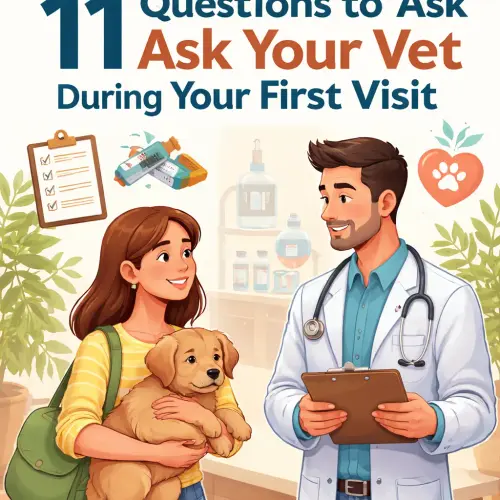
What to Expect at Your Pet’s First Vet Appointment
Your pet’s first veterinary appointment is an important step toward lifelong health. Knowing what to Ask Your Vet During Your First Visit helps you understand your pet’s medical needs, nutrition, behavior, and preventive care. Preparing ahead of time with the right topics to Ask Your Vet During Your First Visit can help you feel more confident and informed as a pet owner.
Important Things to Ask
- Is my pet at a healthy weight?
- Which vaccines and parasite prevention does my pet need?
- What warning signs of illness should I watch for at home?
- What food and feeding schedule do you recommend?
- How often should my pet have wellness checkups?
These are important topics to Ask Your Vet During Your First Visit because they help build healthy routines, improve preventive care, and reduce the risk of future health problems. Knowing what to Ask Your Vet During Your First Visit also helps owners better recognize emergencies, behavior concerns, and early signs of illness.
Being prepared to Ask Your Vet During Your First Visit creates a stronger partnership with your veterinarian and helps ensure your pet receives the best possible care from the very beginning.
How to Prepare for Your Pet’s First Veterinary Visit
Learning How to Prepare for Your Pet’s First Veterinary Visit can make the appointment less stressful and far more productive for both you and your pet. Good preparation helps the veterinary team understand your pet’s history and allows you to focus on important health questions during the visit.
What to Bring to the Appointment
When thinking about How to Prepare for Your Pet’s First Veterinary Visit, start by gathering important documents such as vaccination records, microchip information, adoption paperwork, medications, and previous medical history. It also helps to bring a fresh stool sample if your veterinarian recommends parasite testing.
Ways to Keep Your Pet Calm
Another important part of How to Prepare for Your Pet’s First Veterinary Visit is helping your pet feel secure. Bring a favorite toy, blanket, or treats to create positive associations. Dogs should stay on a leash, while cats should remain safely inside a carrier during travel and inside the clinic.
Questions to Prepare Ahead of Time
Writing down concerns before the appointment is one of the smartest ways to handle How to Prepare for Your Pet’s First Veterinary Visit. Many new owners want guidance about feeding schedules, vaccines, training, exercise, behavior, and parasite prevention.
Being organized and arriving early can make How to Prepare for Your Pet’s First Veterinary Visit much easier while helping your pet start veterinary care with less fear and stress.
11 Questions to Ask Your Vet During Your First Visit
Here is a comprehensive list of questions to ask your vet during your first visit. Each question opens a conversation about a key aspect of your pet’s health and well-being.
1. What Vaccinations Does My Pet Need First Visit?
Vaccines are one of the most important preventive care topics to Ask Your Vet During Your First Visit because they protect pets from dangerous infectious diseases early in life. Vaccine schedules vary depending on your pet’s age, lifestyle, environment, and local health risks.
Common First Vaccines for Pets
Puppies commonly receive the DHPP vaccine, which helps protect against distemper, hepatitis, parainfluenza, and parvovirus. Kittens usually receive the FVRCP vaccine for feline viral rhinotracheitis, calicivirus, and panleukopenia. Rabies vaccination is also legally required in many areas and is often given between 12 and 16 weeks of age.
Important Vaccine Topics to Discuss
When you Ask Your Vet During Your First Visit, discuss:
- Core versus non-core vaccines
- Booster shot schedules
- Lifestyle-based vaccine recommendations
- Possible vaccine side effects
Taking time to Ask Your Vet During Your First Visit about vaccinations helps owners build a strong preventive care plan and protect pets from serious but preventable illnesses throughout every stage of life.wners create a strong preventive care plan and protects pets from dangerous but preventable diseases early in life.
2. What Diet Is Best for My Pet’s Age and Breed?
Proper nutrition is one of the most important subjects to Ask Your Vet During Your First Visit because diet directly affects your pet’s growth, energy, weight, and long-term health. Learning about proper feeding early helps owners avoid common mistakes such as overfeeding, poor portion control, or choosing food that lacks essential nutrients.
Why Nutrition Needs Differ
Puppies, kittens, adult pets, and senior animals all have different nutritional requirements. Large-breed puppies may need carefully balanced calcium and phosphorus levels for healthy bone development, while kittens often require high-protein, high-fat diets to support rapid growth and energy needs.
Important Topics to Discuss With Your Vet
When you Ask Your Vet During Your First Visit, discuss:
- Recommended food brands
- Portion sizes and feeding schedules
- Dry food versus wet food options
- Weight management and healthy treats
- Special diets for allergies or sensitivities
Taking time to Ask Your Vet During Your First Visit about nutrition helps owners build healthier feeding routines and supports proper growth, digestion, weight control, and overall wellness throughout every life stage.Is Best for My Pet’s Age and Breed helps pet owners create healthier feeding habits and supports proper growth, digestion, weight control, and overall wellness throughout every stage of life.
3. How Often Should My Pet See the Vet?
Regular veterinary visits are one of the most important topics to Ask Your Vet During Your First Visit because routine exams help prevent illness and detect health problems early. Building a wellness schedule based on your pet’s age, breed, and lifestyle supports better long-term health and preventive care.
Recommended Vet Visit Schedule
Puppies and kittens usually need veterinary visits every 3–4 weeks until they are about 16 weeks old because they require vaccines, parasite prevention, and growth monitoring. Healthy adult pets generally benefit from yearly wellness exams, while senior pets often need checkups every six months to monitor age-related conditions.
Why Routine Exams Matter
One reason to Ask Your Vet During Your First Visit about wellness schedules is that every pet has different medical needs. Your veterinarian may recommend exams based on breed risks, dental health, chronic conditions, weight management, or lifestyle factors.
Routine visits help veterinarians identify medical problems before they become severe or expensive to treat. Taking time to Ask Your Vet During Your First Visit about long-term wellness planning helps owners stay proactive about preventive care, nutrition, vaccinations, and overall pet health throughout every life stage.
4. How to Prevent Common Diseases in Pets
Preventive care is one of the most important topics to Ask Your Vet During Your First Visit because preventing disease is safer, easier, and often less expensive than treating illness later. Learning about vaccines, parasite prevention, dental care, and nutrition early helps build a strong foundation for lifelong health.
Important Prevention Topics to Discuss
When you Ask Your Vet During Your First Visit, discuss:
- Vaccination schedules and booster shots
- Flea, tick, and heartworm prevention
- Dental hygiene and teeth cleaning
- Healthy diet and weight management
- Routine wellness exams and screenings
These preventive steps help reduce the risk of obesity, diabetes, parasites, dental disease, and infectious illnesses in both dogs and cats.
Creating a Safer Home Environment
Another important reason to Ask Your Vet During Your First Visit is to learn about home safety. Your veterinarian can explain how to avoid toxic plants, dangerous foods, medications, and household chemicals that commonly harm pets.
Taking time to Ask Your Vet During Your First Visit about disease prevention helps owners create healthier daily habits and gives pets the best chance at a longer, healthier life.in Pets allows owners to build healthier daily habits while helping pets live longer, safer, and more comfortable lives.
5. What Parasite Prevention Does My Pet Need?
Parasite prevention is one of the most important health topics to Ask Your Vet During Your First Visit because parasites can seriously affect both pets and humans. The type of protection your pet needs depends on your location, climate, lifestyle, and outdoor exposure.
Common Parasites Pets Need Protection From
Dogs and cats may need protection against:
- Heartworms
- Fleas and ticks
- Roundworms, hookworms, and whipworms
- Ear mites and other parasites
Your veterinarian may recommend oral, topical, or injectable preventives depending on your pet’s age, breed, and risk factors.
Important Prevention Topics to Discuss
When you Ask Your Vet During Your First Visit, discuss:
- Monthly parasite prevention schedules
- Heartworm testing requirements
- Flea and tick control options
- Indoor versus outdoor pet risks
- Signs of parasite infections to watch for
Taking time to Ask Your Vet During Your First Visit about parasite prevention helps protect your pet from serious illnesses, discomfort, skin problems, anemia, and dangerous heartworm disease..
6. How to Monitor My Pet’s Health at Home
Learning how to monitor your pet at home is an important topic to Ask Your Vet During Your First Visit because owners are often the first to notice early signs of illness. Your veterinarian can teach you how to check your pet’s eyes, ears, gums, skin, appetite, energy level, and bathroom habits between appointments.
Important Health Changes to Watch For
When you Ask Your Vet During Your First Visit, discuss warning signs such as:
- Limping or stiffness
- Scratching or skin irritation
- Coughing or sneezing
- Changes in appetite or thirst
- Low energy or unusual behavior
Tracking these changes helps detect medical problems earlier and improves treatment outcomes.
7. What Are Normal Vital Signs for My Pet?
Understanding normal vital signs is another important reason to Ask Your Vet During Your First Visit. Knowing your pet’s normal temperature, heart rate, and breathing rate helps you recognize emergencies more quickly.
Common Normal Vital Signs
- Normal body temperature: 100°F–102.5°F
- Resting respiratory rate: 15–30 breaths per minute
- Dogs’ heart rate: usually 60–160 bpm depending on size and age
- Cats’ heart rate: usually 140–220 bpm
Your veterinarian may also show you how to check your pet’s pulse or breathing at home.
8. How to Handle Pet Emergencies and When to Call the Vet
Emergency planning is one of the smartest things to Ask Your Vet During Your First Visit because fast action can save your pet’s life. Your veterinarian can explain which symptoms require immediate medical care and where to go during after-hours emergencies.
Common Pet Emergencies
Discuss emergencies such as:
- Difficulty breathing
- Sudden collapse
- Severe bleeding
- Poison ingestion
- Seizures or traumatic injuries
Taking time to Ask Your Vet During Your First Visit about emergency procedures helps owners react faster during stressful situation
9. What Behavioral Issues Should I Watch for in Pets
Behavior changes are often early warning signs of medical or emotional problems. This makes behavior concerns another valuable topic to Ask Your Vet During Your First Visit.
Common Behavioral Concerns
- Separation anxiety
- Aggression or fearfulness
- Excessive barking or meowing
- House-soiling or litter box problems
- Destructive chewing or scratching
Your veterinarian can help determine whether these behaviors are caused by stress, training issues, or underlying medical conditions.
10. What Grooming Routine Is Recommended for My Pet?
Grooming is an important health habit to Ask Your Vet During Your First Visit because proper coat, skin, nail, and dental care help prevent infections and discomfort.
Grooming Topics to Discuss
- Brushing frequency based on coat type
- Nail trimming schedules
- Ear cleaning routines
- Dental brushing and oral care
- Safe bathing frequency
Regular grooming also helps owners detect lumps, parasites, skin irritation, or ear problems earlier.
11. What Tests Are Needed During the First Vet Visit?
Diagnostic testing is another important subject to Ask Your Vet During Your First Visit because early screening helps veterinarians identify hidden health problems before symptoms appear.
Common First Visit Tests
- Fecal exams for parasites
- Heartworm testing for dogs
- FeLV/FIV testing for cats
- Bloodwork and chemistry panels when needed
Taking time to Ask Your Vet During Your First Visit about recommended testing helps create a stronger preventive care plan and gives your veterinarian useful baseline health information for future visits.
Additional Essential Topics for a Great First Visit
Beyond the 11 core questions, several other key topics will round out your visit and ensure nothing is overlooked.
How to Reduce Stress During Vet Visits for Pets
Reducing stress makes the experience better for everyone. Learning how to reduce stress during vet visits for pets starts before you leave the house. Use a properly sized carrier for cats and small dogs, and line it with a familiar blanket. Spray synthetic pheromone products (like Adaptil for dogs or Feliway for cats) in the carrier or car 15 minutes beforehand. Bring treats and a favorite toy. Stay calm yourself—your pet picks up on your emotions. If your pet is extremely anxious, ask your vet about anti-anxiety medications or a “fear-free” visit protocol that includes a quiet waiting room and gentle handling. For a related guide, see 10 Ways to Calm an Anxious Pet at Home.
What Costs Should I Expect for Routine Pet Care
Understanding the financial side helps you budget and avoid surprises. Asking what costs should I expect for routine pet care allows you to plan. Your first visit might range from $50–$150 for the exam fee, with vaccines costing $20–$40 each, fecal testing around $30–$50, and heartworm tests about $40–$60. Spay/neuter surgery, if not already done, can be $100–$300 depending on weight and clinic. Ask about wellness plans or pet insurance—many clinics offer packages that bundle exams, vaccines, and tests for a monthly fee. For a related guide, see 9 Symptoms That Mean You Should Visit a Vet Immediately.
How to Keep My Pet Healthy Long Term
A single visit doesn’t define your pet’s health—consistent care does. The final piece of advice from your vet will focus on how to keep my pet healthy long term. This includes sticking to a regular checkup schedule (annual for adults, twice-yearly for seniors), maintaining a balanced diet and ideal weight, providing daily mental and physical exercise, staying up-to-date on vaccines and preventives, and practicing preventive dental care. A strong relationship with your veterinarian forms the backbone of your pet’s longevity and quality of life.
Useful Resources
For more detailed information on pet wellness and preparation, these independent resources are excellent references:
- American Veterinary Medical Association – Your Pet’s First Visit
- VCA Animal Hospitals – Preparing for Your Pet’s First Visit
Frequently Asked Questions About Questions to Ask Your Vet During Your First Visit
What questions to ask your vet during the first visit ?
Ask about vaccinations, diet, parasite prevention, how often to schedule checkups, emergency protocols, home health monitoring, normal vital signs, behavioral concerns, grooming needs, necessary tests, and long-term wellness planning. For a related guide, see 12 Silent Signs Your Pet Might Be Suffering.
What should I ask my vet about my new puppy’s diet?
Ask for a specific brand recommendation, feeding frequency, portion size, and whether to feed a large-breed puppy formula if applicable. Also discuss when to transition to adult food.
What should I ask my vet about my new kitten’s diet?
Inquire about a high-protein kitten formula, portion guidelines, wet vs. dry food balance, and whether to supplement with taurine-rich options. Kittens need more calories and protein than adult cats.
What questions to ask a vet about pet insurance?
Ask if the clinic accepts specific insurance providers, what the typical annual cost of routine care might be, and whether a wellness plan or pet insurance better suits your budget.
What questions to ask the vet about flea and tick prevention?
Ask which product is safest for your pet’s age and weight, whether topical or oral is better, how often to apply, and if there are any breed-specific contraindications.
What questions to ask about heartworm prevention?
Ask about the recommended product, dosing schedule, whether an annual heartworm test is required, and what to do if you miss a dose. Heartworm is serious but preventable.
What questions should I ask about spaying or neutering?
Ask about the optimal age for the procedure, associated risks and recovery time, cost, and whether it affects future health or behavior. Most vets recommend spay/neuter by six months.
What questions to ask about microchipping?
Ask about the procedure (it’s quick and safe), whether it’s included in the visit, which registry is used, and how to update your contact information after the chip is implanted.
What questions to ask about dental care?
Ask when to start brushing your pet’s teeth, what toothpaste is safe, how often professional dental cleanings are recommended, and if dental chews are effective.
What questions to ask about pet dental products?
Ask for VOHC-approved dental chews or diets, appropriate toothbrush types, and whether water additives or dental sprays are beneficial. Avoid human toothpaste.
What questions to ask about vaccines for older pets?
Ask whether titers can replace annual vaccines for certain diseases, what core vaccines are still necessary, and if any vaccines can be spaced further apart for seniors.
What questions to ask about allergy testing for pets?
Ask about signs of allergies (itchy skin, ear infections, gastrointestinal upset), whether a diet trial or serum allergy test is recommended, and if immunotherapy is an option.
What questions to ask about pet exercise needs?
Ask about the ideal amount of daily exercise for your pet’s breed and energy level, suitable activities, and signs of overexertion. Some breeds need 30 minutes, others two hours or more.
What questions to ask about senior pet care?
Ask about twice-yearly checkups, bloodwork to screen for kidney or thyroid issues, joint supplements, pain management, and adjustments to diet and exercise.
What questions to ask about urinary health in cats?
Ask about hydration strategies (wet food, fountains), signs of FLUTD, appropriate litter box setups, and whether a urinary health diet is advisable for your cat.
What questions to ask about pet weight management?
Ask for a target weight and body condition score, an ideal daily calorie intake, and a plan for safe weight loss. Obesity shortens lifespan and increases disease risk.
What questions to ask about nausea in pets?
Ask about causes of vomiting or decreased appetite, when to bring your pet in for treatment, and whether anti-nausea medications or probiotics are appropriate.
What questions to ask about skin and coat health?
Ask about appropriate grooming frequency, signs of skin infections or allergies, diet adjustments like fatty acid supplements, and any breed-specific skin concerns.
What questions to ask about pet travel safety?
Ask about motion sickness medication, secure carriers or seatbelt harnesses, travel water bowls, and whether your pet needs additional vaccines for specific destinations.
What questions to ask about after-hours emergencies?
Ask for the phone number and address of the nearest 24-hour emergency vet, what common household toxins to be aware of, and when to rush in versus monitor at home.