Properly Feed Dogs and Cats for Better Health Key Takeaways
To properly feed dogs and cats for better health , you need the right balance of nutrients, portion control, and a consistent schedule tailored to each species and life stage.
- Learn how to properly feed dogs and cats for better health with species-specific meal plans and portion guidelines.
- Discover which human foods are safe and which are toxic — plus how to read pet food labels like a pro.
- Identify the 15 most common feeding mistakes and how to avoid them, from overfeeding treats to ignoring life-stage needs.
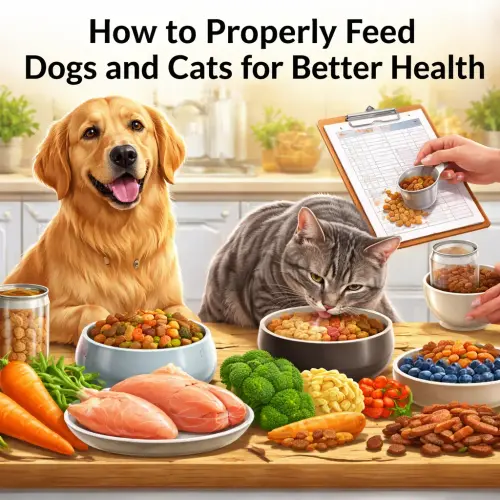
Why You Need to Properly Feed Dogs and Cats for Better Health Starting Today
Feeding your dog or cat might seem straightforward — pour kibble into a bowl, done. Yet, according to the Association for Pet Obesity Prevention, an estimated 59% of dogs and 61% of cats in the United States are classified as overweight or obese. That statistic directly links to improper feeding habits: oversized portions, too many treats, and a mismatch between food type and a pet’s true nutritional needs. When you commit to properly feed dogs and cats for better health, you reduce the risk of diabetes, joint problems, kidney disease, and digestive disorders. The payoff is a more energetic, happier pet and fewer veterinary bills over their lifetime. For a related guide, see 11 Questions to Ask Your Vet During Your First Visit.
The Right Way to Create a Healthy Pet Feeding Guide for Dogs and Cats
A healthy pet feeding guide must treat dogs and cats as distinct species — not interchangeable. Dogs are omnivores with a flexible digestive system; cats are obligate carnivores that require specific amino acids like taurine from animal tissue. Here is how to build a proper plan for each.
Pet Feeding Schedule: Timing Matters
A consistent pet feeding schedule stabilizes blood sugar, aids digestion, and helps with house-training. For adult dogs, two measured meals per day (morning and evening) work well. Adult cats also thrive on two meals, but many cats prefer smaller, more frequent portions — consider splitting their daily ration into three or four meals if your schedule allows. Puppies and kittens need more frequent feeding (see the dedicated section below).
Sample Dog Feeding Schedule (Adult)
- 7:00 AM – Breakfast (half of daily portion)
- 6:00 PM – Dinner (remaining half)
- No free-feeding — pick up the bowl after 20 minutes
Sample Cat Feeding Schedule (Adult)
- 7:00 AM – Breakfast (one-third of daily portion)
- 12:00 PM – Lunch (one-third)
- 7:00 PM – Dinner (last third)
How Much Food Should Dogs and Cats Eat Daily? Portion Control Basics
Determining dog food portion control and cat food portion sizes is not guesswork. Use the feeding guide on your pet food bag as a starting point, but adjust based on your pet’s body condition score (BCS). A healthy dog or cat should have a visible waist when viewed from above and ribs you can feel with a light layer of fat.
| Pet Weight | Dog (Active Adult) – Daily Kibble | Cat (Indoor Adult) – Daily Kibble |
|---|---|---|
| 5 lbs | 1/3 – 1/2 cup | 1/4 – 1/3 cup |
| 10 lbs | 1/2 – 3/4 cup | 1/3 – 1/2 cup |
| 20 lbs | 3/4 – 1 1/4 cups | N/A (cats rarely reach this size) |
| 50 lbs | 1 3/4 – 2 1/2 cups | N/A |
| 80+ lbs | 3 – 4 cups | N/A |
Note: These are estimates. Always consult your veterinarian for a precise recommendation, especially for puppies, kittens, pregnant/nursing pets, or those with medical conditions.
What Foods Are Healthy for Dogs and Cats? Nutritious Options and Safe Human Foods
Offering healthy dog food ideas and a healthy cat food guide goes beyond commercial kibble. Incorporate these veterinarian-approved, nutritious whole foods into your pet’s diet — but only as supplements (no more than 10% of daily calories).
Safe Human Foods for Dogs
- Lean cooked meats (chicken, turkey, beef) — plain, no seasoning
- Cooked fish (salmon, sardines) — rich in omega-3 fatty acids
- Vegetables (carrots, green beans, pumpkin, sweet potato) — steamed or raw
- Fruits (blueberries, apple slices, bananas) — in small amounts
Safe Human Foods for Cats
- Cooked chicken or turkey — boneless, skinless
- Cooked fish (tuna in water, salmon) — occasional only, due to mercury concerns
- Small amounts of scrambled egg — cooked plain
- Plain pumpkin puree — helps with digestion
Foods Toxic to Dogs and Cats — Never Feed These
The list of foods toxic to dogs and cats includes several common kitchen staples. Memorize these dangers:
- Chocolate, caffeine, coffee grounds — can cause heart arrhythmias and seizures
- Grapes and raisins — cause kidney failure in dogs
- Onions, garlic, chives — damage red blood cells
- Xylitol (artificial sweetener in gum, candy, peanut butter) — causes rapid insulin release, liver failure
- Macadamia nuts — cause weakness, vomiting, hyperthermia in dogs
- Alcohol and raw dough — dangerous to both species
15 Common Pet Feeding Mistakes That Harm Your Dog or Cat
Avoid these frequent errors that undermine your effort to properly feed dogs and cats for better health:
- Free-feeding — leaving food out all day encourages overeating and makes it hard to monitor appetite.
- Guessing portion sizes — always use a measuring cup or kitchen scale.
- Overusing treats — treats should make up no more than 10% of daily calories.
- Feeding table scraps — many human foods are too fatty, salty, or toxic.
- Switching foods abruptly — transition over 7–10 days to avoid digestive upset.
- Ignoring life stage — puppy, kitten, adult, and senior formulas exist for a reason.
- Feeding a single protein source — variety helps prevent food sensitivities.
- Not providing fresh water — hydration is as critical as food.
- Using the wrong bowl — elevated bowls for large dogs reduce bloat risk; shallow bowls for cats prevent whisker fatigue.
- Feeding too close to exercise — wait at least one hour after meals before vigorous activity.
- Relying on raw diets without research — raw feeding requires strict hygiene and veterinary guidance.
- Underfeeding — especially common with active or working dogs.
- Feeding a generic “all life stages” food — these often fail to meet specific needs of seniors or growing puppies.
- Ignoring your pet’s body condition — a scale and rib-check are better than the eyes.
- Skipping veterinary check-ups — annual exams catch early signs of nutritional deficiencies or weight issues.
Puppy and Kitten Feeding Essentials: First-Year Nutrition
During the first year, growing bodies need more frequent meals and higher levels of protein, fat, calcium, and phosphorus. Here is how often puppies and kittens should be fed:
- 8–12 weeks old: 4 meals per day
- 3–6 months old: 3 meals per day
- 6–12 months old: 2 meals per day (large-breed dogs may need puppy food until 18–24 months)
Choose a formula labeled “growth” or “all life stages” that meets AAFCO standards for the specific species. Avoid adding supplements unless directed by a veterinarian — excess calcium in large-breed puppies, for example, can lead to skeletal problems.
Signs of Poor Nutrition in Pets — What to Watch For
Even with the best intentions, you may miss subtle signs of poor nutrition in pets. Common red flags include:
- Dull, dry, or flaky coat — may indicate a fatty acid deficiency
- Excessive shedding or bald patches
- Lethargy or reluctance to play
- Frequent vomiting or diarrhea
- Weight loss despite a normal appetite — possible internal parasites or metabolic disease
- Bad breath (halitosis) — could be dental disease or a sign of kidney issues from poor diet
- Dull eyes or cloudy corneas — particularly in cats with taurine deficiency
If you notice any of these, schedule a veterinary exam before changing the diet.
How to Choose the Right Pet Food Brand — Criteria for Quality
Selecting the best food is a cornerstone of best pet nutrition practices. Use these criteria to evaluate any brand:
- AAFCO statement: The food must state it is “complete and balanced” for the specific life stage.
- Named protein source first: Look for “chicken meal” or “deboned salmon,” not “meat meal” or “by-products.”
- Whole ingredients: Avoid artificial colors, flavors, and preservatives (BHA, BHT, ethoxyquin).
- Trusted manufacturer: Brands with a history of recalls or lawsuits should be avoided.
- Species-appropriate formulation: Cat food must contain taurine; dog food must have appropriate calcium-to-phosphorus ratio.
- Veterinarian recommendations: Ask your vet for brands they trust — many vets recommend Hills Science Diet, Royal Canin, Purina Pro Plan, or similar.
Wet Food vs. Dry Food — Which Is Better for Your Pet?
The wet vs dry pet food debate depends on your pet’s individual needs. Here is a quick comparison:
| Factor | Dry Kibble | Wet Food |
|---|---|---|
| Dental health | May help reduce tartar (but not a substitute for brushing) | Does not clean teeth |
| Hydration | Low moisture (6–10%) | High moisture (75–85%) — great for cats prone to urinary issues |
| Calorie density | Higher — easier to overfeed | Lower — helps with weight management |
| Palatability | Moderate | High — useful for picky eaters or sick pets |
| Cost | More affordable per calorie | More expensive |
| Convenience | Easy to store and serve | Requires refrigeration after opening |
A common compromise is to feed a combination: dry food for the main meals and a small amount of wet food as a topper or second meal. This provides both dental benefits and extra moisture.
Pet Weight Management — How to Maintain a Healthy Weight
Pet obesity prevention starts in the bowl. If your dog or cat is already overweight, work with your vet to set a target weight and daily calorie limit. Weigh your pet every two weeks and adjust portions by 10–15% increments. Incorporate exercise: for dogs, 30+ minutes of walking or play; for cats, interactive toys like laser pointers or feather wands for at least 15 minutes twice a day. Avoid the temptation to “eyeball” portions — use a digital kitchen scale for accuracy.
Homemade Pet Food Basics — Is It Right for Your Pet?
Some owners prefer homemade diets for total ingredient control. However, homemade pet food basics require careful planning to avoid nutritional imbalances. A 2021 study published in the Journal of the American Veterinary Medical Association found that over 90% of homemade dog food recipes were deficient in at least one essential nutrient. If you want to go this route, work with a board-certified veterinary nutritionist to formulate a recipe that meets AAFCO standards for your pet’s life stage. For a related guide, see Essential Animal Care Tips for First-Time Pet Owners.
Useful Resources
These credible sources offer additional guidance on feeding your pet safely and effectively:
- PetMD – Pet Nutrition Basics – A comprehensive overview of nutrient requirements for dogs and cats.
- American Veterinary Medical Association – Feeding Your Pet – Official recommendations from veterinary professionals.
Frequently Asked Questions About Properly Feed Dogs and Cats for Better Health
How often should I feed my adult dog?
Most adult dogs do best with two meals per day — morning and evening. This helps maintain stable energy levels and supports healthy digestion.
How often should I feed my adult cat?
Adult cats benefit from at least two meals daily, but many owners split the daily ration into three or four smaller portions to mimic natural grazing behavior.
How much should I feed my puppy?
Puppies need more frequent meals: four times a day until 12 weeks, three times until six months, then twice daily. Follow the feeding guide on the puppy food label based on expected adult weight.
How much should I feed my kitten?
Kittens require four meals daily from 8–12 weeks, then three meals until six months, and finally two meals from six months to one year. Use a kitten-specific formula.
Can I leave dry food out all day for my cat?
Free-feeding is not recommended because it can lead to overeating and obesity. It also makes it difficult to monitor appetite changes that might signal illness. Timed meals are healthier.
Is raw food safe for dogs and cats?
Raw diets carry risks of bacterial contamination (Salmonella, E. coli) both for pets and humans in the household. If you choose raw feeding, work closely with a veterinarian to ensure nutritional balance and follow strict hygiene protocols.
Can dogs eat eggs?
Yes, cooked eggs (scrambled or hard-boiled without seasoning) are a good source of protein for dogs. Avoid raw eggs due to salmonella risk and biotin absorption issues.
Can cats eat eggs?
Yes, cooked eggs are safe for cats in small amounts. They provide high-quality protein. Serve plain, without salt, butter, or oil.
Is it OK to give my dog peanut butter?
Only if it is xylitol-free. Many peanut butter brands now use xylitol as a sweetener, which is extremely toxic to dogs. Check the label carefully and choose natural peanut butter without added sugar or salt.
Can dogs eat cheese?
Small amounts of low-lactose cheeses like cheddar or mozzarella are generally safe for dogs as occasional treats. Avoid blue cheese and any cheese with added garlic or onions.
Can cats drink milk?
Most adult cats are lactose intolerant, and milk can cause diarrhea and stomach upset. Provide fresh water instead, or a small amount of lactose-free cat milk if you want to offer a treat.
How do I switch my pet’s food safely?
Transition over 7–10 days by mixing increasing amounts of the new food with the old food. For example: Days 1–2: 25% new + 75% old; Days 3–4: 50/50; Days 5–7: 75% new + 25% old; Day 8+: 100% new.
Should I feed my senior dog differently?
Senior dogs often benefit from lower-calorie, higher-fiber diets to maintain a healthy weight, plus added joint-supporting nutrients like glucosamine and omega-3 fatty acids. Consult your vet for a senior formula recommendation.
Should I feed my senior cat differently?
Senior cats may need highly digestible protein, increased moisture (to support kidney function), and controlled phosphorus levels. Many senior-formula wet foods are designed with these needs in mind.
How can I tell if my pet is overweight?
Use the body condition score (BCS) system: You should be able to feel your pet’s ribs with a light fat layer, and there should be a visible waist behind the ribs when viewed from above. If the ribs are hard to feel or the waist is absent, your pet may be overweight.
What are the best treats for training?
Choose single-ingredient treats like freeze-dried liver, chicken breast strips, or commercial treats with fewer than 3–5 calories each. Break larger treats into smaller pieces to reduce calorie load during training sessions.
Is grain-free food better for dogs and cats?
Not necessarily. Grain-free diets have been linked to a potential risk of dilated cardiomyopathy (DCM) in some dogs. Unless your pet has a diagnosed grain allergy (rare), there is no evidence that grain-free is superior. Stick with a balanced diet that includes whole grains like brown rice or oatmeal.
How much water should my pet drink daily?
A general rule is 1 ounce of water per pound of body weight per day. Dogs and cats eating dry food need more water than those on wet food. Always provide fresh, clean water and encourage drinking by using a pet fountain if needed.
Can I feed my cat dog food in an emergency?
In a true emergency (e.g., no cat food available for one meal), a small amount of dog food will not harm your cat. However, dog food lacks taurine and other nutrients essential for cats, so it should never be used as a long-term substitute. Return to cat-specific food as soon as possible.
How do I read a pet food label correctly?
Look for the AAFCO nutritional adequacy statement, which tells you if the food is complete and balanced for your pet’s life stage. Check the guaranteed analysis for protein, fat, fiber, and moisture. Ingredients are listed by weight, so the first ingredient should be a named protein source like “chicken” or “salmon meal.”