
Home / 7 Warning Signs Your Cat Might Be in Pain
Your Cat Might Be in Pain Key Takeaways
Cats are masters at masking discomfort, a survival instinct that often delays detection of serious health issues.
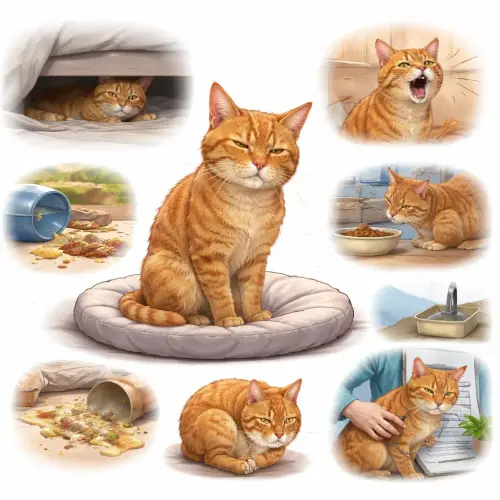
Why Recognizing Signs Your Cat Is in Pain Early Matters
Cats evolved as both predator and prey, which means hiding illness and injury was once essential for survival. Even in a safe indoor home, that instinct remains deeply wired. As a result, many cat owners miss early warning Your Cat Might Be in Pain because the animal appears “fine” until symptoms become severe. Understanding how to tell if Your Cat Might Be in Pain requires a shift from waiting for obvious cries or limping to noticing subtle daily changes. For a related guide, see 10 Signs Your Dog Is Sick and Needs a Vet.
Detecting pain early can prevent conditions like dental disease, arthritis, urinary tract infections, and even cancer from progressing unnoticed. Chronic pain in cats is especially tricky: how to recognize chronic pain in cats relies on patterns rather than dramatic episodes. By learning the seven key signals outlined below, you become your cat’s best advocate for a comfortable, healthy life.
Warning Sign #1: Hiding or Avoiding Social Contact
One of the most reliable subtle Your Cat Might Be in Pain behavior is a change in where they choose to spend their time. If your cat suddenly starts tucking itself behind furniture, under beds, or inside closets, pay attention. The question why is my cat hiding or avoiding me often has a medical answer: pain makes cats feel vulnerable, so they instinctively seek concealment.
What to Look For
A cat that previously greeted you at the door or slept on your lap may now retreat when you enter a room. Some cats will even avoid their favorite sunny spots or perches because jumping hurts. This behavior is especially common in cats with arthritis, dental pain, or internal discomfort.
Action Step
If hiding persists for more than 24 hours without an obvious environmental stressor (like a new pet or moving furniture), schedule a veterinary check. Take note of whether your cat also avoids food, water, or the litter box during hiding episodes—this combination is a red flag for illness or injury.
Warning Sign #2: Changes in Appetite—Eating Less or More
Changes in appetite as a Signs Your Cat Might Be in Pain can manifest in two ways: decreased interest in food or, less commonly, increased eating due to stress or metabolic disease. Pain in the mouth, jaw, or digestive tract often makes chewing uncomfortable, causing a cat to approach the bowl but walk away without eating.
What to Look For
Watch for food left untouched, slower eating, dropping kibble while chewing, or preferring wet food over dry. Some cats with nausea from abdominal pain may also drink less water. Conversely, a cat with chronic pain from conditions like hyperthyroidism may eat excessively yet still lose weight.
Action Step
Keep a food diary for 48 hours. Note the amount offered versus what is actually consumed. If appetite loss lasts more than 12 to 24 hours—especially in senior cats—contact your vet. For kittens, any missed meal is urgent because their blood sugar drops quickly.
Warning Sign #3: Limping, Stiffness, or Reluctance to Move
The phrase cat limping or moving less what does it mean is a common search because owners notice these changes but aren’t sure if they warrant a vet visit. Limping is an obvious external sign, but reduced movement—climbing fewer stairs, avoiding jumps, sleeping in one spot all day—is equally telling.
What to Look For
Stiffness after resting, reluctance to use the litter box on a different floor, or hesitation before jumping onto furniture all suggest joint or muscle pain. Arthritis in cats is underdiagnosed because owners assume aging cats naturally slow down. In reality, a cat that stops grooming its hindquarters may be unable to twist due to hip or spine pain.
Action Step
Observe your cat’s gait on both smooth and carpeted surfaces. Note which leg, if any, is favored. A veterinary orthopedic exam, possibly with X-rays, can determine if arthritis, injury, or another condition is responsible. Treatment options include joint supplements, weight management, and pain-relief medications.
Warning Sign #4: Unusual Vocalization—More Meowing, Yowling, or Purring
Unusual vocalization in Signs Your Cat Might Be in Pain can range from constant meowing to low growls or even excessive purring. While many people assume purring always means happiness, cats also purr when stressed, frightened, or in pain—it may be a self-soothing mechanism.
What to Look For
A previously quiet Signs Your Cat Might Be in Pain that begins meowing at night, yowling when using the litter box, or crying when touched is communicating discomfort. Some cats with cognitive dysfunction or sensory loss—common in seniors—also vocalize, but pain should be ruled out first.
Action Step
Record a short video of your cat’s unusual sounds to show your veterinarian. This is especially helpful if the behavior happens sporadically. Pair the recording with any notes about triggers (e.g., after jumping, during petting) to help pinpoint the pain source.
Warning Sign #5: Grooming Changes—Over-Grooming or Complete Neglect
Grooming changes in Signs Your Cat Might Be in Pain of discomfort are often the first visual cue for attentive owners. A cat in pain may either obsessively lick a specific area (usually the source of discomfort) or stop grooming altogether, leading to a matted, greasy coat.
What to Look For
Check for bald patches on the belly, inner thighs, or tail—these suggest the cat is self-soothing by licking a painful joint or a urinary tract. Conversely, dandruff, tangles around the back, or a dull coat indicate the cat cannot twist or reach those spots due to arthritis or spinal pain.
Action Step
Gently inspect the over-groomed area for redness, swelling, or skin irritation. If grooming neglect is the issue, schedule a full veterinary exam to rule out dental pain, obesity restricting mobility, or systemic illness. Regular brushing at home can also help you notice early changes. For a related guide, see 8 Reasons Your Dog Is Acting Strange (And What to Do).
Warning Sign #6: Aggression or Irritability When Touched
Aggression or irritability in Your Cat Might Be in Pain—though owners often mistake it for “grumpiness.” A cat that hisses, swats, or bites when you pet its back, tail, or hind legs is likely guarding a tender area. This defensive behavior is a clear message that contact hurts.
What to Look For
Sudden aggression toward other pets in the household, especially when resources like beds or food bowls are involved, may indicate that the cat feels too vulnerable to share space. Even a normally docile cat may growl or flatten its ears when approached.
Action Step
Never punish a cat for reacting aggressively to pain—this only increases its stress and fear. Instead, note exactly where the cat dislikes being touched and avoid those areas. Use treats to encourage voluntary interaction, and bring your findings to the vet. A thorough physical exam can identify painful trigger points.
Warning Sign #7: Changes in Litter Box Habits
Changes in litter box habits pain indicator in Signs Your Cat Might Be in Pain is one of the most commonly missed signals. A cat that has been reliably using its litter box may suddenly start urinating or defecating outside it, or it may visit the box frequently but produce little.
What to Look For
Straining in the box, crying while eliminating, blood in urine or stool, and accidents on cool surfaces like tile or concrete are all concerns. Arthritis makes it painful to step into a high-sided box, while urinary tract infections cause discomfort during urination. Some cats also associate the box with pain and avoid it altogether.
Action Step
First, rule out medical issues by bringing a fresh urine sample to the vet. If no infection is found, consider modifying the litter box: lower sides, softer litter, and placing boxes on every level of the home. Never assume behavioral problems without first investigating physical causes.
Supplemental: How to Recognize and Manage Pain in Cats
Beyond the seven main signs, there are additional layers to understanding feline discomfort. Here we address broader questions every cat owner should know.
How to Recognize Chronic Pain in Cats
Chronic pain develops slowly, so owners often attribute changes to aging. Look at patterns over weeks or months: decreased play, sleeping more than 18 hours daily, reluctance to jump, and subtle weight loss. A pain scale developed by the American Association of Feline Practitioners (AAFP) can help you score your cat’s behavior numerically to track progression.
How to Tell If My Cat Might Be in Pain Without Obvious Signs
Because how cats hide pain and illness is so effective, rely on daily checklists: monitor appetite, water intake, weight, grooming quality, and litter habits. Take photos of your cat’s posture regularly; a hunched or “praying” position (head down, back raised) is a classic pain stance. Use a simple pain diary app or notebook to record your observations before vet visits.
Physical Signs of Injury in Cats You Can Spot at Home
Look for asymmetry: one eye half-closed, a drooping ear, uneven pupils, or a head tilt. Check paw pads for cuts, nails for breaks, and the mouth for drooling or redness. Run your hands gently over your cat’s body—if it flinches, pulls away, or tenses specific muscles, that area is likely painful.
How to Comfort a Signs Your Cat Might Be in Pain Safely
Never give human pain relievers like ibuprofen or acetaminophen—they are toxic to cats. Instead, provide soft bedding, warm (not hot) heating pads set on low under a blanket, easy access to food and water, and a quiet room. Use low-stress handling: speak softly, avoid lifting by the armpits, and support the hindquarters. Prescription pain medications from your vet are the only safe option.
What Causes Signs Your Cat Might Be in Pain Indoor Cats
Contrary to popular belief, indoor cats are not immune to pain. Common causes include dental disease (present in 50–90% of cats over four years), arthritis, early detection of illness in cats like kidney disease or hyperthyroidism, bladder stones, pancreatitis, and injuries from falls or household accidents. Obesity dramatically increases pain risk by stressing joints and organs.
Signs of Aging Related Signs Your Cat Might Be in Pain
Senior cats (age 10+) are especially prone to chronic pain. Beyond the seven signs above, look for cognitive decline (aimless wandering, nighttime yowling), hearing or vision loss, and decreased interaction. Many owners mistakenly believe these are normal aging rather than treatable pain. Regular senior wellness exams every six months help catch problems early.
When Should I Take My Cat to the Vet for Pain?
When to take my cat to the vet for pain depends on severity. Immediate vet attention is needed if your cat is limp, has pale gums, is vomiting repeatedly, cannot urinate, has obvious wounds, or shows sudden weakness. For milder signs like hiding or appetite loss, call your vet within 12 to 24 hours. Most chronic pain cases benefit from a baseline blood panel, joint exam, and dental check. Trust your instincts—if something feels off, it probably is.
Useful Resources
Understanding Your Cat Might Be in Pain is easier with expert guidance. The AAFP Feline Pain Management Guidelines offer a detailed pain-scoring system for owners and veterinarians. The Cornell Feline Health Center provides free downloadable resources on aging cats, chronic conditions, and pain signs.
- AAFP Pain Management Brochure for Cat Owners (PDF)
- Cornell Feline Health Center – Cat Health Information
Recognizing Your Cat Might Be in Pain isn’t about becoming a veterinarian—it’s about becoming a more observant, responsive caregiver. Every cat deserves to live without unnecessary suffering, and the seven warning signs covered here give you the tools to detect discomfort before it becomes a crisis. When in doubt, call your vet. Your cat trusts you to be its voice.
Frequently Asked Questions About Your Cat Might Be in Pain
What are the most obvious signs your cat is in pain ?
The most obvious warning Your Cat Might Be in Pain include limping, hiding more than usual, crying out, loss of appetite, and not using the litter box. However, subtle signs like staring at walls, sleeping in odd positions, or changes in purring are equally important. For a related guide, see 12 Silent Signs Your Pet Might Be Suffering.
How to tell if my cat is in pain or just tired?
A tired cat will still respond to treats, petting, or play. A cat in pain often stiffens when approached, avoids contact, or shows defensive behaviors like hissing. If your cat is sleeping more but also showing appetite loss or hiding, suspect pain.
What are subtle Signs Your Cat Might Be in Pain cats behavior ?
Subtle signs include tail flicking more than usual, dilated pupils in a bright room, inability to settle into a comfortable position, staring blankly at walls, and overgrooming a specific spot. These subtle Your Cat Might Be in Pain behavior often appear before any vocalization.
Why is my cat hiding or avoiding me all of a sudden?
When asking why is my cat hiding or avoiding me, the most common medical reason is pain. Cats instinctively hide to protect themselves from predators when they feel vulnerable. Dental pain, arthritis, and abdominal discomfort are frequent triggers.
Can changes in appetite as a Signs Your Cat Might Be in Pain be the only symptom?
Yes, especially in early-stage dental disease or kidney issues. Changes in appetite as a Your Cat Might Be in Pain may present as a preference for soft food or eating only human food. Always investigate appetite loss that lasts more than 24 hours.
Cat limping or moving less what does it mean for indoor cats?
For indoor cats, cat limping or moving less what does it mean often points to arthritis, a broken nail, or an insect sting. Senior indoor cats are especially prone to osteoarthritis, which causes stiffness and reduced jumping.
Is unusual vocalization Signs Your Cat Might Be in Pain or just behavioral?
Unusual vocalization in cats pain signs include yowling at night, crying during elimination, or growling when touched. While some older cats vocalize due to cognitive decline, pain should always be ruled out first.
What do grooming changes in Signs Your Cat Might Be in Pain of discomfort tell us?
Grooming changes Signs Your Cat Might Be in Pain of discomfort include staring at a spot without grooming it, chewing fur out, or completely stopping self-care. It can indicate arthritis, dental pain, or skin conditions. A dirty coat often means the cat cannot reach that area.
Can aggression or irritability in cats causes pain be mistaken for personality?
Yes. Aggression or irritability in Signs Your Cat Might Be in Pain that is often misinterpreted as the cat becoming “mean” with age. Always check for pain when a friendly cat suddenly hisses or swats during petting, especially around the back or hips.
Are changes in litter box habits pain indicator in cats for urinary issues only?
Not exclusively. Changes in litter box habits pain indicator in cats can also stem from arthritis making it painful to step into the box, constipation causing straining, or kidney disease increasing thirst and urine volume.
How to recognize chronic pain in cats at home?
How to recognize chronic pain in cats involves tracking patterns: decreased play, sleeping in one spot all day, reluctance to jump, weight loss, and a dull coat. Keep a log of daily activity and note any decline over two to four weeks.
When to take my cat to the vet for pain that seems mild?
When to take my cat to the vet for pain: if your cat hides for more than 24 hours, stops eating for 12 hours, has diarrhea or vomiting, or shows any limping, schedule a vet visit. Even mild pain that persists for three days warrants professional evaluation.
How cats hide pain and illness without owners noticing?
How cats hide pain and illness includes sleeping more, blinking slowly, maintaining a stiff posture, and avoiding play. They also may purr as a self-soothing mechanism, which can fool owners into thinking they are content.
What physical signs of injury in cats need emergency care?
Physical Signs Your Cat Might Be in Pain that require immediate care include open wounds, blood in urine or stool, a limp limb that bears no weight, pale gums, abnormal breathing, and seizures. Also emergency: if your cat cannot stand.
How to comfort a cat in pain safely without medication?
How to comfort a cat in pain safely involves creating a quiet, warm nest with low-sided bedding, placing food and water within easy reach, and minimizing handling. Use pheromone diffusers like Feliway to reduce stress. Never apply hot or cold packs directly to the skin—wrap them in a towel.
What causes pain in indoor cats most frequently?
What Signs Your Cat Might Be in Pain indoor cats most often: dental disease (tooth root abscess, resorptive lesions), idiopathic cystitis (bladder inflammation), osteoarthritis (especially in hips and spine), and pancreatitis. Obesity is a major contributing factor.
How important is early detection of illness in cats for pain management?
Early detection of illness in cats is crucial because pain often becomes chronic and irreversible if untreated. Regular weight checks, dental cleanings, and annual blood tests for cats over seven years can catch pain sources before they cause severe suffering.
What are signs of aging related Your Cat Might Be in Pain specifically?
Signs of aging related pain in cats include difficulty using stairs, sleeping more than 20 hours a day, decreased appetite, matted fur on the back, and increased irritability. Some seniors also develop a bony, hunched appearance from muscle loss.
Can kittens show Your Cat Might Be in Pain differently than adults?
Kittens may hide less effectively but show pain through decreased play, excessive sleeping, crying, or failure to eat. Because kittens have lower energy reserves, any missed meal or lethargy warrants urgent veterinary attention.
What should I do if I suspect my cat is in pain but it isn’t showing an obvious problem?
Trust your gut. If you notice even one or two Your Cat Might Be in Pain—even without limping or crying—schedule a wellness exam. Bring a video of the behavior and a list of changes. Many painful conditions are treatable when caught early.