
Common Signs Your Pet Is Sick Key Takeaways
Your pet cannot tell you when something hurts, but their body language, appetite, energy, and behavior all send clear signals.
Table of Contents
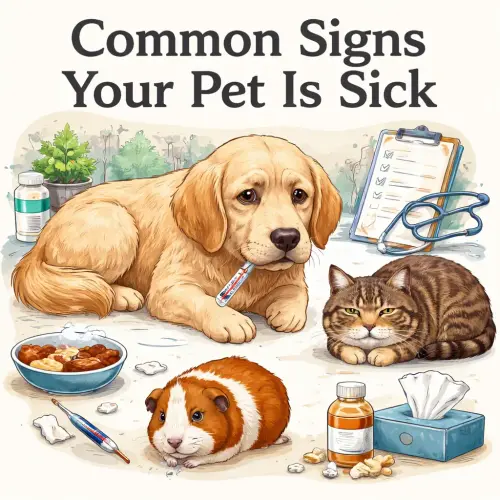
What Every Pet Owner Should Know About Common Signs Your Pet Is Sick
Pets, especially dogs and cats, are masters at masking discomfort. In the wild, showing weakness makes an animal vulnerable, so our domesticated companions retain that instinct. That is why when you are asking how do you know if a dog or cat is ill, the answer often lies in noticing what is different about their normal routine. A healthy pet eats well, moves with ease, interacts with family, and maintains consistent sleep and bathroom patterns. Any deviation — no matter how small — is worth a closer look. For a related guide, see 7 Warning Signs Your Cat Might Be in Pain.
What symptoms indicate a sick pet? They range from the obvious, like vomiting or limping, to the subtle, like sleeping more than usual or refusing a favorite treat. First-time owners sometimes dismiss these signs as “just a lazy day” or “a picky eater.” But experienced pet parents know that why is my pet acting differently is one of the most important questions you can ask. Behavior changes often precede physical symptoms, making them a powerful early warning system.
Early Behavioral Changes: The First Clues
Before you see a runny nose or a swollen paw, you will likely notice a shift in how your pet interacts with the world. Understanding how do pets behave when they are sick helps you catch problems in the earliest stage.
Withdrawal and Hiding
A normally social dog that suddenly retreats to a corner, or a cat that spends the day under the bed, is sending a distress signal. Hiding is one of the most classic Common Signs Your Pet Is Sick because it is a natural survival response. If your pet avoids contact, especially with people they usually love, schedule a veterinary check.
Aggression or Irritability
A pet in pain may snap, growl, or hiss when touched. This is not a personality flaw — it is a protective reflex. What are signs of pain in dogs and cats? Guarding a body part, flinching when picked up, or refusing to be petted on the back or belly are all red flags. Even a gentle dog might bite if you press on a sore joint or an infected ear.
Unusual Vocalizations
Whining, whimpering, yowling, or excessive meowing can indicate discomfort. Pay attention to the context: a cat that cries at the litter box may have a urinary tract infection, while a dog that whines when standing up could have arthritis.
Appetite and Thirst: What Your Pet’s Eating Habits Reveal
Changes in food and water intake are among the most reliable physical markers. What causes loss of appetite in pets? The list is long: dental pain, nausea, kidney disease, infections, cancer, stress, or even a simple upset stomach. But the cause matters less than the pattern. A single skipped meal is not always alarming, but two days of not eating warrants a call to the vet.
Conversely, why is my pet drinking more water than usual is a question that deserves immediate attention. Excessive thirst, known medically as polydipsia, can signal diabetes, kidney failure, liver disease, or a thyroid condition. Track how much water your pet drinks and mention it to your veterinarian.
Weight Changes
Unexplained weight loss often accompanies loss of appetite, but it can also occur in pets that eat normally. Weight gain, while sometimes caused by overfeeding, can also point to hypothyroidism or fluid retention. Weigh your pet monthly and note any change greater than 5 percent of their body weight.
Physical Symptoms You Cannot Ignore
Some symptoms are unmistakable. Learning to recognize them quickly helps you answer the question when should you take your pet to the vet with confidence.
Vomiting and Diarrhea
Should vomiting in pets be a concern? Yes — but it depends on frequency and accompanying signs. One vomit after eating grass is usually harmless. Repeated vomiting, blood in the vomit (looks like coffee grounds), or projectile vomiting is serious. Diarrhea that lasts more than 24 hours, especially in a young puppy or a senior cat, can cause dangerous dehydration. What are signs of digestive problems in pets? Straining to defecate, mucus or blood in stool, excessive gas, and a bloated abdomen are all red flags.
Coughing and Sneezing
How do respiratory problems appear in pets? A dry cough, wet cough, honking cough (common in small breeds), or reverse sneezing can indicate kennel cough, allergies, heart disease, or pneumonia. Sneezing with nasal discharge — especially green or yellow — suggests an upper respiratory infection. Labored breathing, open-mouth breathing in cats, or blue-tinged gums are emergencies.
Fever Detection
How can you tell if a pet has a fever? A warm nose is a myth. The only accurate way is with a rectal thermometer. A dog’s normal temperature is 101-102.5°F; a cat’s is 100.5-102.5°F. Signs that suggest fever include lethargy, shivering, hot ears, red or glassy eyes, and decreased appetite. If you suspect a temperature above 103°F, contact your vet.
Activity and Energy Levels: Spotting Lethargy
What does lethargy in pets mean? Lethargy is not just being tired after a long walk. It is a persistent lack of energy — a pet that does not get up to greet you, ignores toys, or seems “flat.” Lethargy is a common symptom of infections, anemia, heart disease, pain, and metabolic disorders. Pair it with other signs like fever or appetite loss, and you have a strong case for an immediate vet visit.
Can changes in sleeping habits indicate illness? Absolutely. A pet that sleeps much more than usual, or has trouble settling and wakes frequently, may be in pain or discomfort. Restlessness at night, pacing, or difficulty lying down are often seen in pets with arthritis, respiratory distress, or cognitive dysfunction.
Warning Signs of Serious Pet Illness
Some symptoms cross the line from “watch and wait” to “go to the emergency room right now.” Knowing what are warning signs of serious pet illness prepares you for a crisis.
Seizures
Seizures can last seconds or minutes. Even a short seizure warrants a veterinary visit. Prolonged seizures (more than 5 minutes) or multiple seizures in a row are life-threatening and require emergency care.
Difficulty Breathing
Struggling for air, rapid breathing at rest, noisy breathing, or coughing up frothy fluid are emergencies. This can be caused by heart failure, pneumonia, a collapsed trachea, or a foreign object blocking the airway.
Bleeding That Will Not Stop
Whether from a wound or from a body opening (blood in urine, stool, vomit), uncontrolled bleeding is an emergency. Trauma, poison ingestion, or clotting disorders can all be the cause.
Inability to Urinate
Straining without producing urine — especially in male cats — is a dire emergency. It can signal a urethral blockage, which is fatal if not treated within 24 to 48 hours.
How to Monitor Your Pet’s Health at Home
You do not need medical training to catch early warning signs. A few simple habits make a big difference in how can you detect infections in pets early.
- Weekly body check: Run your hands over your pet from nose to tail. Feel for lumps, bumps, tender spots, or swelling. Check ears for redness or odor, eyes for cloudiness or discharge, and coat for bald patches or parasites.
- Track input and output: Note how much your pet eats, drinks, and eliminates. Changes in stool consistency, urine color, or frequency are early clues.
- Watch for limping or stiffness: Especially after rest. Arthritis often appears as hesitancy to jump, climb stairs, or play.
- Use a health journal: Write down anything unusual — a skipped meal, a cough, a new behavior — and share it with your vet. Many owners forget details during a stressful visit.
What health changes should pet owners never ignore? Persistent vomiting or diarrhea, refusal to eat for more than 24 hours, obvious pain, difficulty breathing, seizures, bleeding, inability to urinate, sudden collapse, and any major change in consciousness. If in doubt, trust your gut and call your veterinarian.
When to See the Vet: Making the Call
Part of being a responsible pet parent is knowing when should you take your pet to the vet versus when home care is appropriate. For minor issues like one episode of vomiting, a soft stool, or a day of reduced energy, you can often monitor for 12-24 hours if your pet is otherwise bright and alert. But what are emergency signs in pets that require immediate attention? Use this quick reference: For a related guide, see 12 Symptoms of Common Pet Illnesses You Shouldn’t Ignore.
| Category | When to Monitor at Home | When to See Vet Immediately |
|---|---|---|
| Vomiting | Single episode, pet is playful | Repeated vomiting, blood, projectile |
| Diarrhea | One loose stool, no other symptoms | Bloody, black, or persistent >24 hours |
| Lethargy | One day of low energy after a big play session | Two+ days, or with vomiting/fever |
| Appetite loss | Skips one meal but eats treats | No food for 24+ hours |
| Coughing | Occasional cough after drinking water | Persistent, productive, or with difficulty breathing |
| Fever | Low-grade (under 103°F), no other signs | 103°F or higher, with lethargy or shaking |
Remember that young puppies and kittens, senior pets, and animals with chronic conditions (like diabetes or kidney disease) can deteriorate faster. When in doubt, it is always safer to consult your veterinarian. Many clinics offer phone triage to help you decide.
Prevention: Reducing the Risk of Illness
While you cannot prevent every illness, proactive care dramatically reduces the odds. Routine vaccinations, parasite prevention, dental cleanings, and annual blood work are the foundation. Keep your pet at a healthy weight — obesity is a leading contributor to arthritis, diabetes, and respiratory problems. Feed a balanced diet, provide fresh water, and ensure daily exercise appropriate for their age and breed.
Socialization and mental stimulation also matter. A stressed pet is more vulnerable to illness, so create a calm, predictable environment. If you notice why is my pet acting differently after a change in routine, consider whether anxiety could be a factor. Sometimes the cure is as simple as more attention, a new toy, or a quiet space to retreat.
Ultimately, the best tool in your kit is observation. Spend time with your pet every day, learn what is normal for them, and trust your instincts. You know your pet better than anyone. When something feels off, it probably is.
Useful Resources
For more detailed guidance on recognizing Common Signs Your Pet Is Sick, the American Veterinary Medical Association offers a comprehensive wellness resource. Visit the AVMA Pet Care Resources page for seasonal health tips and vaccination schedules.
If you need help interpreting a specific symptom, the Cornell University College of Veterinary Medicine provides an excellent Feline Health Topics library and a similar canine health section. Both sites are trusted by veterinarians worldwide.
Frequently Asked Questions About Common Signs Your Pet Is Sick
What are common signs your pet is sick ?
Common Signs Your Pet Is Sick include loss of appetite, vomiting, diarrhea, lethargy, unusual hiding or aggression, coughing, sneezing, excessive thirst, sudden weight changes, and changes in bathroom habits. Any persistent deviation from normal behavior warrants a veterinary check.
How do you know if a dog or cat is ill ?
Look for changes in energy, appetite, posture, and social interaction. A dog that stops wagging its tail or a cat that stops grooming is often unwell. Physical signs like limping, vomiting, or labored breathing are clearer indicators, but behavioral shifts are just as important.
When should you take your pet to the vet ?
Take your pet to the vet if they have not eaten for 24 hours, have repeated vomiting or diarrhea, show signs of pain, have difficulty breathing, collapse, have seizures, or cannot urinate. For mild symptoms, contact your vet for phone advice first.
What symptoms indicate a sick pet ?
Common symptoms include vomiting, diarrhea, lethargy, appetite loss, weight changes, excessive thirst, coughing, sneezing, limping, skin issues, eye or nasal discharge, and behavioral changes like hiding or aggression.
Why is my pet acting differently ?
Behavioral changes are often the first sign of illness, pain, or stress. A normally friendly pet that becomes withdrawn or aggressive could have a hidden health problem. Environmental changes, anxiety, or aging can also cause personality shifts.
What causes loss of appetite in pets ?
Loss of appetite can be caused by dental pain, nausea from kidney or liver disease, infections, cancer, stress, medication side effects, or a simple upset stomach. If your pet refuses food for more than a day, consult your veterinarian.
How can you tell if a pet has a fever ?
The most accurate method is a rectal thermometer. Normal temperatures: dogs 101-102.5°F, cats 100.5-102.5°F. Signs include lethargy, shivering, hot ears, red or glassy eyes, and decreased appetite. A temperature above 103°F warrants a vet call.
What are warning signs of serious pet illness ?
Seizures, difficulty breathing, uncontrolled bleeding, inability to urinate, persistent vomiting or diarrhea, sudden collapse, blue-tinged gums, and extreme lethargy are all serious warning signs that require emergency veterinary care.
How do pets behave when they are sick ?
Sick pets often hide, sleep more, avoid interaction, or become unusually clingy. They may refuse to play, lose interest in walks, or assume a hunched posture. Some become irritable and may snap or hiss when touched.
What are signs of pain in dogs and cats ?
Signs of pain include limping, guarding a body part, whimpering or crying, restlessness, reluctance to move or jump, changes in appetite, and altered posture. Cats in particular may hide or stop using the litter box when in pain.
Should vomiting in pets be a concern ?
Yes, especially if it is repeated, contains blood, or is accompanied by other signs like lethargy or diarrhea. Occasional vomiting from eating too fast or grass is usually benign, but persistent vomiting requires veterinary attention.
What does lethargy in pets mean ?
Lethargy is a persistent lack of energy and enthusiasm. It can indicate infection, anemia, pain, metabolic disease, heart problems, or depression. It is one of the most common Common Signs Your Pet Is Sick and should not be ignored.
How can you detect infections in pets early ?
Early detection comes from daily observation. Watch for changes in appetite, energy, behavior, and bathroom habits. Regular veterinary checkups, including annual blood work and fecal tests, can catch infections before symptoms appear.
What are common symptoms of pet diseases ?
Common symptoms include vomiting, diarrhea, coughing, sneezing, itching, hair loss, eye discharge, ear odor, limping, weight changes, increased thirst, and changes in urination. Many diseases share these signs, so a vet diagnosis is essential.
Why is my pet drinking more water than usual ?
Excessive thirst can signal diabetes, kidney disease, liver problems, thyroid issues, or infections. It can also be a side effect of certain medications. If you notice your pet drinking more than normal, mention it to your veterinarian.
What are emergency signs in pets ?
Emergency signs include difficulty breathing, seizures, collapse, bleeding that will not stop, inability to urinate, repeated or bloody vomiting, trauma, ingestion of toxins, and extreme pain. These require immediate veterinary care.
Can changes in sleeping habits indicate illness ?
Yes. Sleeping much more than usual, or restlessness and difficulty settling, can point to pain, discomfort, cognitive decline, or illness. Pets with arthritis often wake frequently, while sick pets may sleep excessively.
What are signs of digestive problems in pets ?
Signs include vomiting, diarrhea, constipation, straining to defecate, blood or mucus in stool, excessive gas, a bloated abdomen, and lack of appetite. These can result from dietary indiscretion, infections, parasites, or chronic conditions.
How do respiratory problems appear in pets ?
Respiratory problems may appear as coughing, sneezing, nasal discharge, noisy breathing, open-mouth breathing, rapid shallow breaths, or blue-tinged gums. Causes range from allergies and infections to heart disease and pneumonia.
What health changes should pet owners never ignore ?
Never ignore persistent vomiting or diarrhea, refusal to eat for 24 hours, difficulty breathing, seizures, bleeding, signs of pain, inability to urinate, sudden collapse, or any major change in consciousness. These are Common Signs Your Pet Is Sick that require immediate vet attention.